
EU Debate Over Game Longevity Hits Cultural Clash with AC Shadows

Is the right to own a video game forever suddenly hanging in the balance? A massive ideological clash is currently playing out in the halls of the European Union, pitting consumer rights against the volatile business models of global publishers. The discussion surrounding the EU debate on game longevity has taken a sharp, unexpected turn, veering away from copyright law and landing squarely in the messy realm of political correctness.
What this means for players: The core question of whether game publishers can legally discontinue titles after sale—a concept known as "going dark"—is now tangled up with debates over political ideology, creating massive uncertainty for the industry's future.
Key Takeaways:
The debate began with a clear, consumer-focused premise: if you buy a digital game, do you own it, or are you merely leasing access? This fundamental disagreement has quickly escalated into a complex battle over digital ownership and corporate control. The movement, spearheaded by figures like YouTube host Ross Scott, questions the legal basis for publishers to simply cease support for games sold to consumers.
The Legal Battle Over Game Preservation
At its heart, the conflict is about the Stop Killing Games movement legal standing. This advocacy challenges the current industry practice where game publishers retain ultimate control over the product's lifespan. When a publisher decides to pull support for an older title—whether through server shutdowns, missing patches, or simply withdrawal of service—the consumer is left with a digital product that is effectively unusable.
Video Games Europe, however, has mounted a strong counter-argument. They warn that sweeping regulatory changes, while appealing to the consumer base, could severely limit developer freedom and make the act of creating and maintaining modern video games prohibitively expensive. The current legal tension represents a classic clash: consumer rights versus creative economic freedom.
Ideology Derails the Copyright Conversation

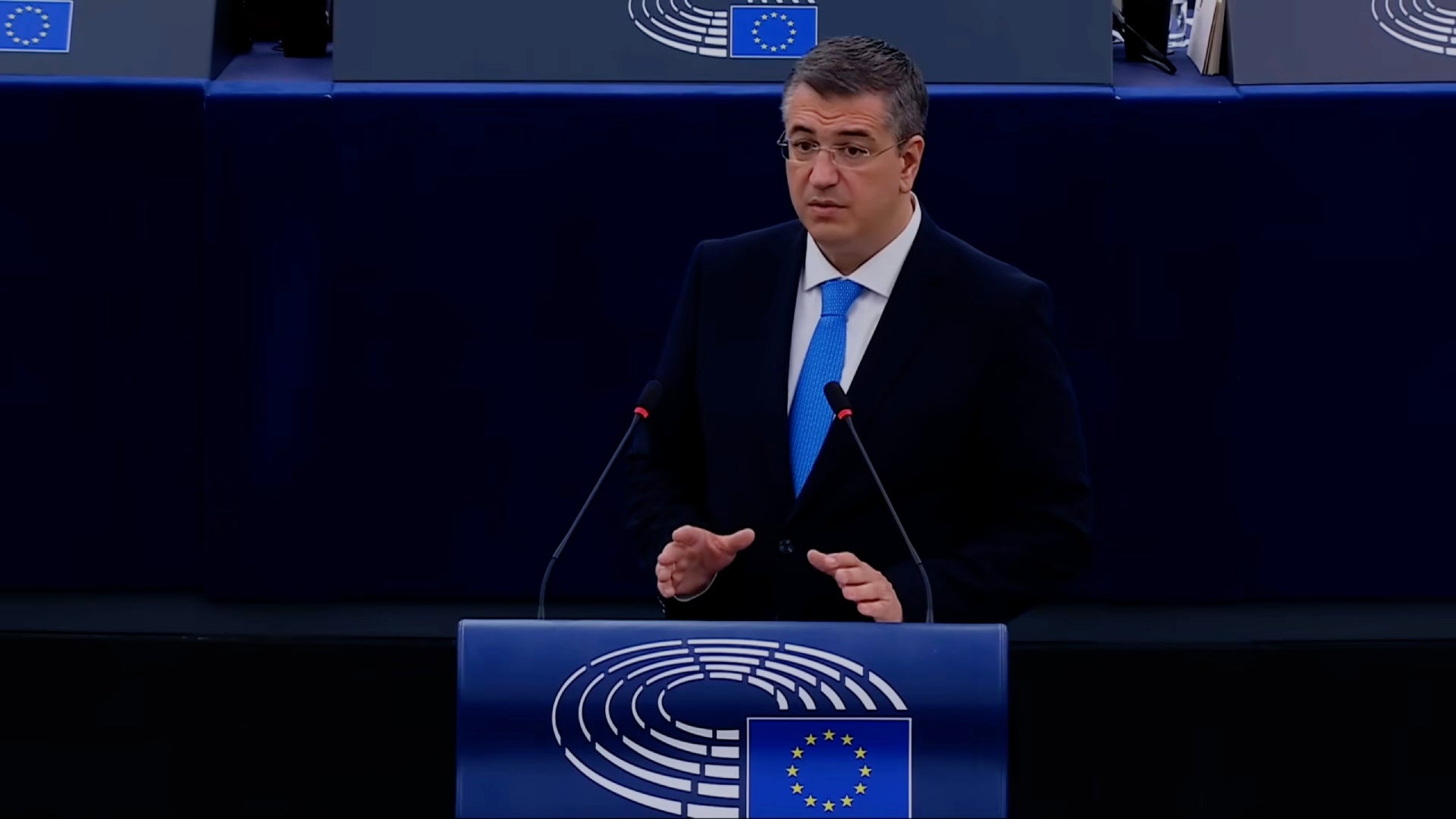
As the legal arguments regarding game preservation were gaining momentum, the entire discussion was abruptly derailed by a political intervention. Slovakian politician Milan Uhrik seized the microphone, shifting the focus entirely away from copyright law and towards accusations of "woke ideology and political correctness" within the gaming industry.
Uhrik’s remarks introduced a potent, polarizing element into what was meant to be a technical, consumer-focused debate. He argued that the industry’s perceived embrace of political messaging and aggressive monetization was actively "destroying videogames." His criticism was broad, but he zeroed in on the culture surrounding major franchises, suggesting that players should not be forced into specific character roles or narrative archetypes—citing the complexities surrounding character representation in titles like *Assassin’s Creed*.
This pivot means that the conversation around video games woke ideology debate has become a major distraction, clouding the primary legal question of game longevity. The industry is now grappling with two massive, unrelated crises: the legal status of ownership and the political sensitivity of its narrative content.
Ubisoft Defines Games as a Service
The industry’s response to these mounting pressures has been defined by major publishers themselves. The recent controversy surrounding *Assassin’s Creed Shadows* provided a flashpoint. The game, which features two distinct playable characters—Yasuke, a historical samurai of African descent in Japan, and the fictional Naoe—was mired in backlash regarding its character choices and representation.
The delay of *Assassin’s Creed Shadows* itself became a highly visible example of how external cultural pressure can impact release schedules. Amidst these high-profile controversies, Ubisoft CEO Yves Guillemot addressed the structural issue during a 2025 shareholders meeting. His message was blunt and financially driven: games are a service, and support for titles "cannot last forever."
This statement provided a powerful, business-oriented argument that directly counteracts the "Stop Killing Games" ethos. It suggests that the ability of game publishers keeping titles online is dependent on continued financial viability. Guillemot's assertion regarding the limitations of the service model is a major point of discussion, directly informing the debate over Ubisoft CEO on game service model.
The interplay between these factors—the legal right to ownership, the political pressure to conform, and the corporate reality of service models—is creating a volatile landscape. Consumers are demanding permanent rights, while publishers are emphasizing the ephemeral nature of digital service life. The legal battle over EU debate on game longevity what it means has never been more complicated.
The current state of play suggests a future where ownership might be less about buying a product and more about subscribing to a continuously managed service. This shift fundamentally re-writes the relationship between the player and the developer.
What Does This Mean for Future Titles?
For players, the immediate impact is uncertainty. Developers are now forced to build titles with an explicit end-of-life plan in mind, or they must invest heavily in perpetually updating service models. The market is adapting to a reality where the initial purchase price is often only the entry fee, not the total cost of ownership.
The next few months are expected to see legal representatives and industry leaders continue to clash, forcing a clearer definition of the line between consumer property and licensed digital access. The true resolution of the EU debate on game longevity why it matters will determine the standard for digital goods for the next decade.
Experts predict that the focus will shift from pure copyright law to mandatory service minimums, requiring publishers to guarantee a certain level of operational support for a defined period. Furthermore, we anticipate the rise of third-party digital rights management (DRM) solutions that will offer consumers a legal alternative to publisher control. Ultimately, the gaming industry may be forced to formalize a "digital lifespan" clause that dictates the minimum operational period for all major titles.
Frequently Asked Questions
What is the "Stop Killing Games" movement?
It is an advocacy effort challenging publishers' right to shut down titles or cease support for games sold to consumers. The movement argues that purchased digital games should guarantee permanent access and functionality.
Does the EU debate affect all video games?
The debate focuses on the legal rights of ownership in the EU, making all digital games potentially subject to these evolving regulations. The impact will vary based on how individual member states adopt the final legislation.
What is the core concept of the "service model" in gaming?
The service model means that the game is not just a standalone product, but a continuous service requiring ongoing server maintenance, updates, and developer support to remain playable.
Confirmed details first, useful context second. This is the quickest path to the source trail and the next pages worth opening.
Source date: May 23, 2026