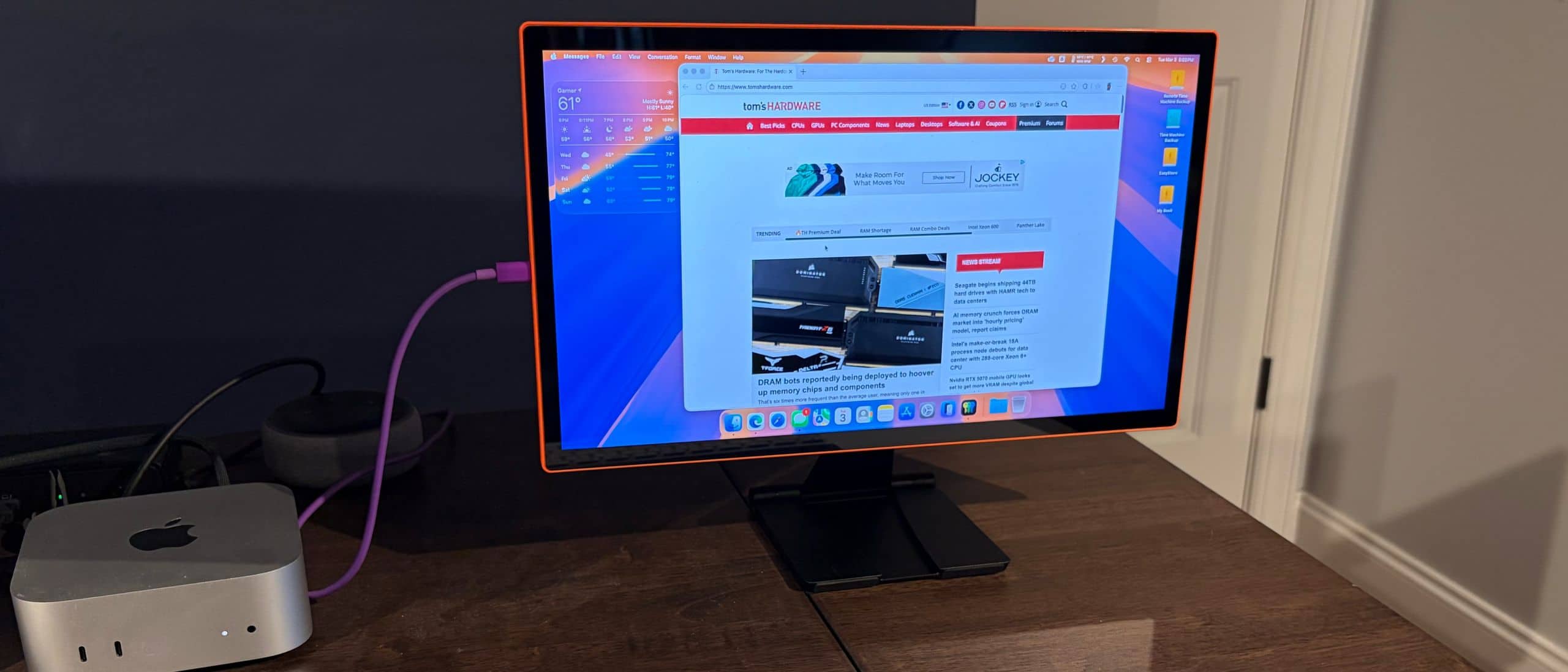
The Core Experience of Budget Portability
The portable monitor market is saturated with devices that promise desktop-level power in a suitcase-friendly package. Espresso, an Australian tech company, has built a growing portfolio ranging from basic entry-level units to high-end, touch-enabled 4K displays. Into this ecosystem steps the Espresso Lite 15, a 15.6-inch screen that immediately establishes itself as the company’s most budget-friendly offering. At $249, the Lite 15 is $50 cheaper than its sibling, the Display 15. This pricing gap is the central question for any potential buyer: does the Lite 15 provide enough functionality and quality to justify its place in the market, or is it merely a colorful, cheaper alternative? Based on the initial look and feel, the Lite 15 delivers a distinct aesthetic experience that sets it apart from the typically utilitarian monitors found in this category.
The first thing that strikes reviewers about the Lite 15 is its color. While many portable monitors adhere to a predictable palette of silver, black, or dark grey—the colors of "all business"—the Lite 15 challenges that norm. The review unit examined was orange, a vibrant choice that injects a playful, almost unexpected energy into a category usually dominated by corporate neutrality. This isn't just a cosmetic choice; it speaks to a deliberate design philosophy. Espresso has made the monitor available in a wide spectrum of colors, including white, green, and purple, alongside the standard black option. This remarkable color variety is directly tied to a key structural difference: the Lite 15 does not utilize the typical aluminum-alloy chassis found on Espresso’s more expensive, premium models. Instead, it relies on a plastic build, a material choice that fundamentally dictates both its aesthetic freedom and its physical limitations.
Where the Design Wins Big
The Lite 15’s greatest strength is arguably its personality. In a market where function often completely eclipses form, the ability to choose a monitor in bright orange or deep purple is a refreshing departure. For users who treat their workspace as an extension of their personal style, this color palette is a massive win. It transforms the monitor from a necessary piece of tech into a statement accessory. Furthermore, the pricing structure is highly competitive. By positioning itself $50 below the Display 15, the Lite 15 successfully carves out a distinct niche for the budget-conscious consumer who still demands a reliable, portable screen. It allows users to access the core functionality of a 15.6-inch portable display without the premium price tag associated with aluminum construction and advanced features.
The availability of multiple colors also suggests a commitment to accessibility and customization. This is not merely a gimmick; it allows the monitor to appeal to a much broader audience than the traditionally monochrome tech crowd. The sheer variety of options means that whether your setup is meant to be minimalist and white, vibrant and playful, or discreet and black, the Lite 15 has a color to match your intent. This focus on aesthetic choice, achieved through the use of plastic rather than premium metal alloys, is a masterstroke of market segmentation. It tells the consumer: "You don't have to sacrifice style for savings."
Aesthetic Freedom Over Premium Materials
The decision to use plastic for the chassis, while a technical compromise, is a strategic design victory. It is the enabler of the product's most defining feature: its color. This is a clear example of prioritizing user experience and visual appeal over the use of traditionally premium, but color-limiting, materials like aluminum. This makes the Lite 15 a standout choice for students, digital artists, or content creators who need a reliable secondary screen but are unwilling to spend a premium amount on a purely functional piece of hardware.
Where the Compromises Are Made
While the Lite 15 excels in visual appeal and value, its design choices necessarily introduce compromises that potential buyers must understand. The most obvious trade-off is the material used for the casing. The plastic chassis, while enabling the vibrant color options, inherently lacks the rigidity, premium feel, and durability associated with the aluminum-alloy chassis found on Espresso’s higher-tier models. While this is not necessarily a functional flaw for casual use, it means the monitor will feel less robust and potentially less durable when subjected to rough travel or heavy daily wear.
Furthermore, the budget positioning means that the Lite 15 is designed to be a highly functional secondary screen, rather than a flagship display. While the evidence confirms its existence and relative pricing, the focus on color and low cost suggests that advanced features—such as ultra-high refresh rates, advanced color gamut coverage, or complex connectivity options—may be scaled back compared to the Display 15. Buyers should approach the Lite 15 with the understanding that it is a brilliant value proposition, but one that operates within the constraints of its entry-level price bracket.
Who Should Buy the Lite 15?
The Espresso Lite 15 is not for the professional who requires military-grade durability or the graphic designer who demands perfect color accuracy across every spectrum. Instead, it is perfectly suited for a specific demographic: the creative, the student, or the casual content creator who values aesthetic integration and budget flexibility. If your primary goal is to add a secondary screen to your setup without sacrificing your personal style or emptying your wallet, the Lite 15 is a compelling contender. Its ability to deliver a vibrant, functional display at a significantly reduced cost makes it a standout piece of budget tech.
To summarize the ideal user profile, consider these points:
- The Style-Conscious User: Someone who wants their tech gear to match their personal decor and doesn't want to be limited to black or grey.
- The Budget-Minded Student: A user needing a reliable, portable screen for lectures or dorm room setups without the financial burden of premium hardware.
- The Secondary Display Seeker: Someone who needs a basic, functional second monitor for general productivity (web browsing, document viewing) and doesn't require professional-grade color grading.
In conclusion, the Espresso Lite 15 successfully executes a niche strategy. It sacrifices the premium feel of aluminum for the vibrant, accessible appeal of plastic, resulting in a monitor that is both affordable and fun. It proves that in the world of portable monitors, sometimes the best feature isn't the highest resolution or the strongest metal, but simply the right shade of color.
Confirmed details first, useful context second. This is the quickest path to the source trail and the next pages worth opening.
Source date: April 13, 2026