Embracer Group Splits: Licensing and IP Partnerships Guide the Future
Did you think the biggest gaming studios were immune to corporate upheaval? Think again. The massive conglomerate Embracer Group has just executed a monumental split, restructuring its entire operation around intellectual property (IP) assets and external partnerships. This is a seismic shift that immediately changes the landscape for some of gaming's most beloved franchises.
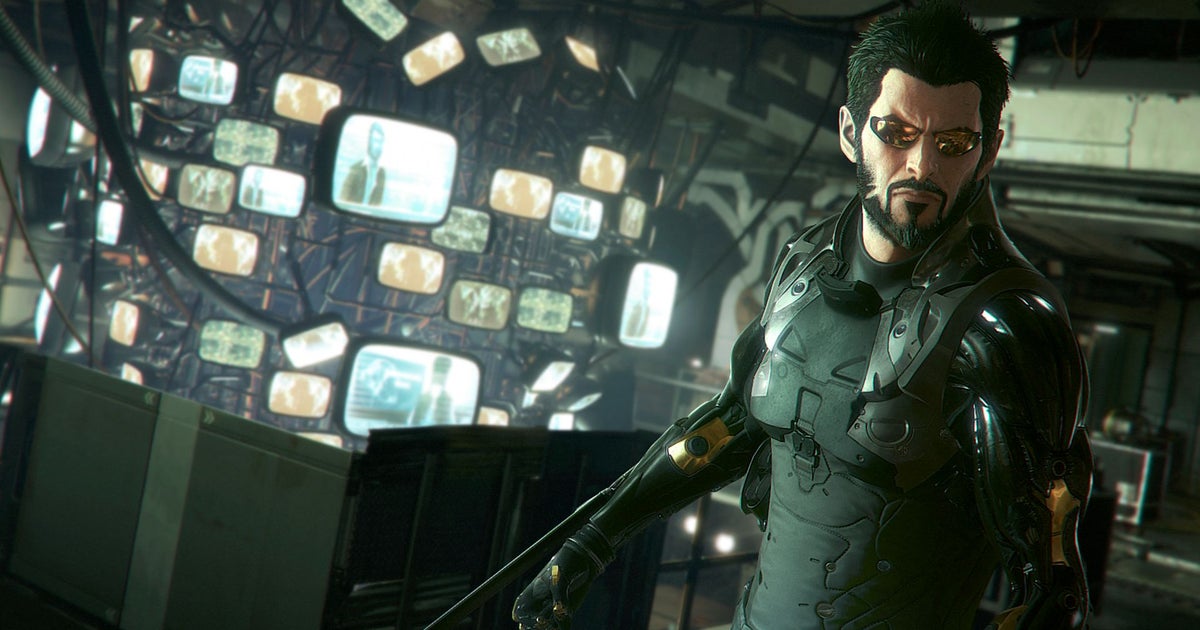
What this means for players: The future of titles like *Deus Ex* and *Saints Row* might be more decentralized, focusing on profitable licensing deals rather than internal development silos.
The core of the change is the formation of a dedicated Embracer Group IP licensing business unit. This move signals a clear pivot away from traditional internal publishing and toward maximizing the value of existing, recognizable intellectual property across media.
The Strategic Split: Two Companies Emerge
The restructuring was announced by Embracer boss Lars Wingefors, detailing a major division into two separate corporate entities. This strategic separation is designed to streamline focus and maximize shareholder value for each distinct division.
The first new entity, Fellowship Entertainment, is slated to take ownership of major, high-value IP assets. This includes critically important franchises like *Lord of the Rings* works, alongside the popular *Tomb Raider* series, which will fall under Crystal Dynamics. This move centralizes the management of massive literary and gaming properties.
The remaining Embracer entity will retain key development and publishing studios, including Aspyr, Wreckfest publishers THQ Nordic, and Screamer developers Milestone. This allows the core development teams to maintain their operational structure while benefiting from the new IP licensing focus.
Focus on Licensing and External Growth
The most critical element of this overhaul is the establishment of the dedicated IP & licensing business unit. This unit’s primary mission is to actively explore and manage the licensing out of well-known, established series.
The goal is to monetize IPs like *Deus Ex*, *Saints Row*, *TimeSplitters*, *Thief*, and *Red Faction* through external partnerships. This approach shifts risk and investment into co-production deals, leveraging the brand power of these titles without requiring massive internal capital expenditure.
Furthermore, Dark Horse is operationally joining this unit. Their expertise in co-producing film and television shows with Hollywood partners provides the perfect operational backbone for the new Embracer Group IP licensing business. This means the IPs aren't just for games; they are being treated as global media assets.
Investing in Legacy Partnerships
The leadership is not just looking backward; they are heavily planning for future investments. Wingefors outlined ambitious plans to form partnerships and dedicate capital to several highly anticipated franchises.
This includes major investments in titles like *Kingdom Come: Deliverance*, *Dead Island*, and *Darksiders*. The structure allows them to approach these partnerships with a more focused, resource-optimized approach, which is crucial for reviving legacy IPs. The commitment to the licensed *Metro* series and the revival of franchises like *Legacy of Kain* further proves this external partnership model is the core strategy.
The entire maneuver represents a calculated pivot toward maximizing global reach through external collaboration. By prioritizing external IP partnerships, the conglomerate aims to build a diversified revenue stream that is less dependent on the volatile cycle of internal AAA game development.
The implications are profound. The success of the Embracer Group IP licensing business hinges on the ability to manage these external relationships and deliver high-quality, brand-consistent products. While the split is complex, the message to the consumer is clear: Embracer is building a powerhouse focused on maximizing the lifespan and profitability of established gaming universes.
This strategic restructuring allows the company to cherry-pick its most valuable assets, packaging them for maximum investment potential across film, TV, and new game development.
This pivot fundamentally changes how game development studios interact with IP holders, making external agreements the primary engine for growth.
Industry analysts predict that the focus on licensing will make Embracer a major player in the media convergence space, forcing competitors to reassess their own IP monetization strategies.
Frequently Asked Questions
Will the split affect game development timelines?
The immediate focus is on restructuring and establishing the new licensing unit. While the long-term goal is stability, the initial transition period could see adjustments to existing release schedules.
What is the difference between the two new Embracer entities?
Fellowship Entertainment will handle core IP assets like *Lord of the Rings*. The remaining Embracer entity will focus on retaining and operating key development studios like Aspyr and THQ Nordic.
Are these partnerships guaranteed to result in new games?
The licensing unit is actively exploring partnerships, which means deals are in the planning stages. While the potential is massive, concrete game announcements will depend on the completion of those external agreements.
Confirmed details first, useful context second. This is the quickest path to the source trail and the next pages worth opening.
Source date: May 20, 2026