What happens when a story of historical trauma is filtered through the lens of a folktale? It can become something deeply personal, profoundly challenging, and perhaps, revolutionary in gaming.
Before you even start, you need to understand the weight of the narrative. This isn't just another action-adventure title; it's a journey through memory, fear, and cultural resilience, centered around the unique Dreams on a Pillow gameplay loop. What this means for players: we are potentially witnessing a new medium for narrative experience, one that treats historical memory as a core mechanic, rather than just a backdrop.
Rasheed Abueideh has announced Dreams on a Pillow, a pseudo-stealth adventure game that tackles the immense pain of the Nakba—the 1948 ethnic cleansing of Palestinians. The project is designed as an emotional response to recent conflicts, drawing deeply from a Palestinian folktale about a young woman named Khadra.
The Nakba and Khadra's Journey
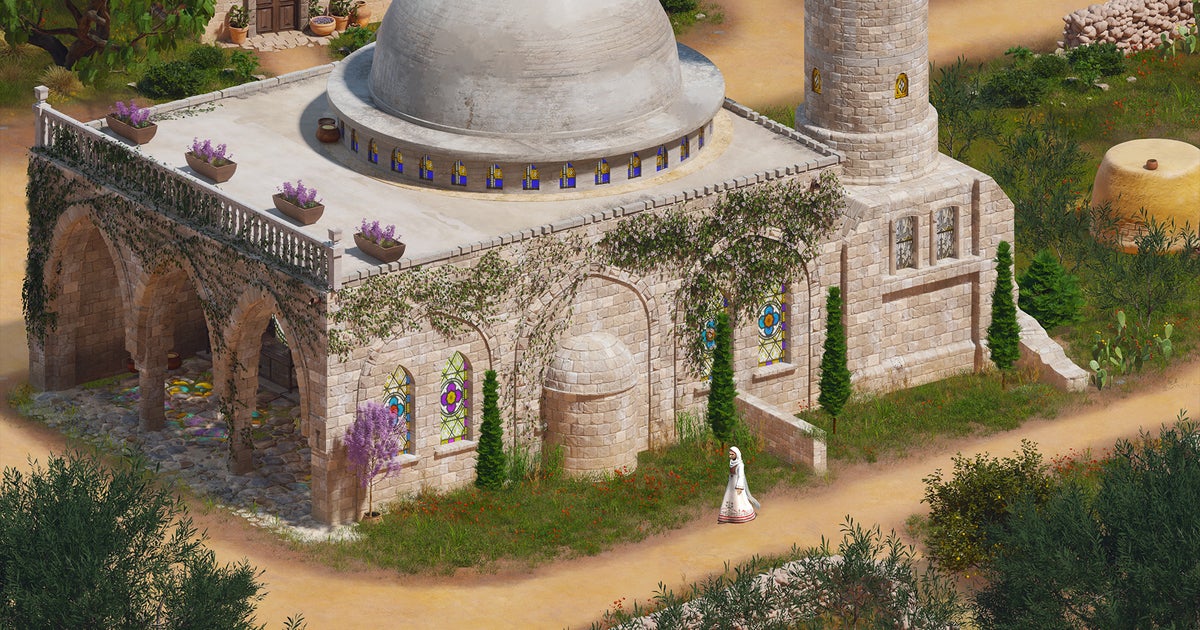
The core strength of Dreams on a Pillow lies in its refusal to offer easy answers. Instead, it presents the difficult, fragmented process of remembrance. The game is deeply inspired by the experiences of the Palestinian people, specifically referencing the Nakba, which continues to inform the narrative structure. It’s a story that requires patience and emotional investment from the player.
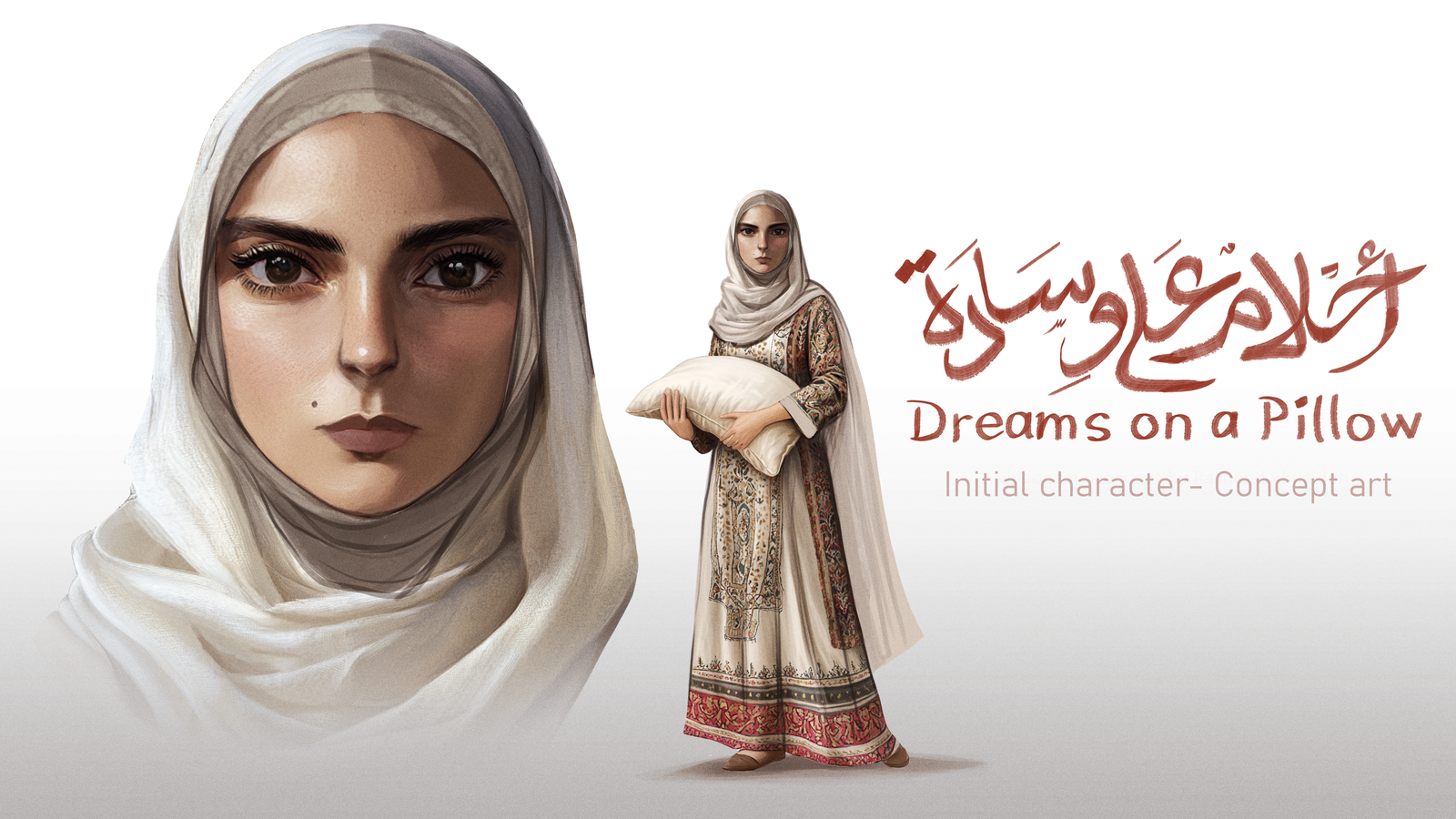
The narrative follows Khadra, whose journey spans from Palestine to Southern Lebanon. This geographical shift mirrors the forced displacement and constant search for identity. The game’s thematic commitment elevates it beyond a typical stealth title, positioning it instead as a profound, culturally resonant experience. This is not merely entertainment; it is intended as a medium for bearing witness.
Why this matters: By framing the history of the Nakba within a folktale structure, the developers create a safe, yet intensely powerful, space for players to process trauma—a critical distinction in narrative gaming.
The Pseudo-Stealth Gameplay Loop
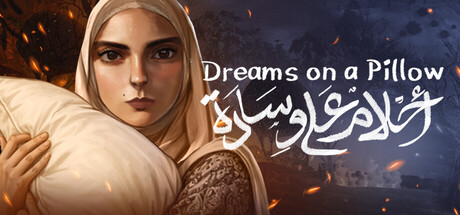
The mechanics of Dreams on a Pillow are as psychologically complex as its narrative. The gameplay loop is built around the shifting state of the protagonist's consciousness, guiding the player through three distinct emotional and physical realms: 'Reality,' 'Nightmares,' and 'Dreams.' This is the mechanical heart of the experience.
In 'Reality,' players engage in the pseudo-stealth elements—navigating dangerous situations, gathering information, and surviving. These moments require careful timing and environmental awareness, mimicking the constant state of vigilance required for survival. However, the gameplay doesn't stay in one place.
The shift into 'Nightmares' or 'Dreams' fundamentally alters the rules. These states are not just cutscenes; they are gameplay shifts. They plunge the player into fragmented, often surreal memories of Khadra’s childhood in Al Tantura. These dream sequences act as emotional anchors, providing necessary context to the trauma and giving meaning to the stealth actions performed in the 'Reality' state. The ability to transition between these states is what gives the Dreams on a Pillow gameplay loop its unique, cyclical depth.
Production and Steam Wishlists
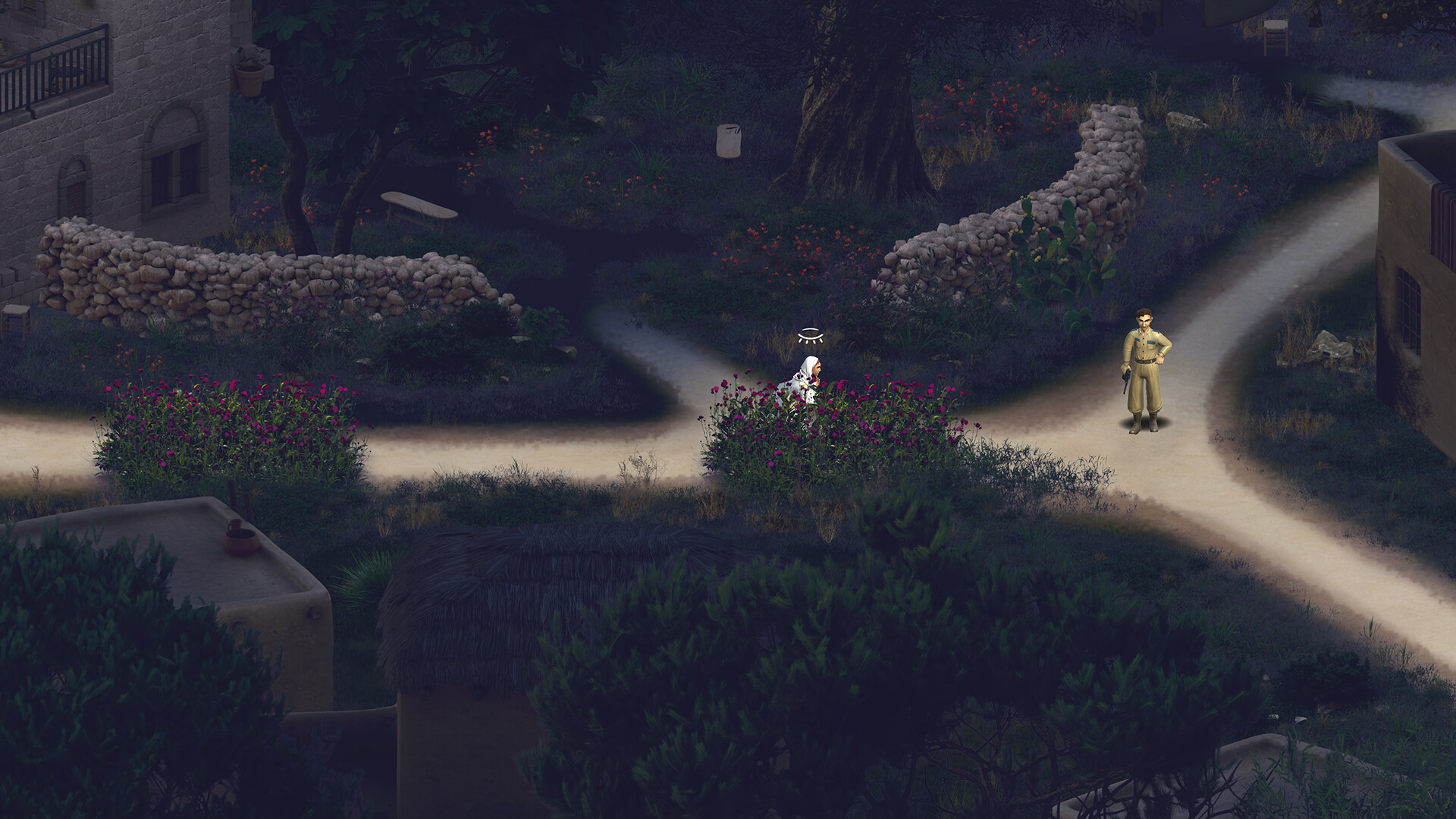
While the emotional scope of the game is massive, the development process itself appears highly organized. Rasheed Abueideh has confirmed that full production has commenced, signaling the successful assembly of a core team and the establishment of robust pipelines. This suggests a shift from conceptualization to dedicated, sustained development.
However, prospective players need to manage expectations regarding the timeline. The project is not slated for an immediate release. The current window set for the game is 2027. While a first look at the gameplay was offered to build excitement, the development journey is long, requiring time to properly handle the massive emotional weight of the story.
Potential players looking to track the progress of this ambitious title can currently wishlist Dreams on a Pillow on Steam. Furthermore, the project is actively seeking funding, with support available through platforms like LaunchGood, demonstrating a strong community and industry interest in the finished product.
The ambition behind Dreams on a Pillow is clear: to use the mechanics of the pseudo-stealth adventure game to deliver a powerful, empathetic, and culturally specific narrative. The unique focus on the Palestinian folktale aspect ensures that the experience is grounded in deep cultural roots, making it a potential landmark title for narrative-driven gaming.
The development cycle shows that while the story is urgent and timely, the execution requires years of polish. The blend of historical significance with genre mechanics makes this a title that warrants close monitoring from both gaming enthusiasts and cultural commentators alike.
The genre's willingness to tackle difficult history suggests that Dreams on a Pillow could redefine how emotional trauma is translated into interactive gameplay.
Industry analysts predict that the success of this title will set a new standard for narrative depth, pushing other developers to consider non-traditional, historically charged themes in their own projects.
Frequently Asked Questions
What is the primary setting of the game?
The game centers on Khadra’s journey, moving between Palestine and Southern Lebanon. It explores the deep cultural and historical context of the Nakba.
When is the expected release date for Dreams on a Pillow?
The current development window for the game is set for 2027. Players can currently wishlist the title on Steam to track progress.
What makes the gameplay loop unique?
The core gameplay shifts between 'Reality' (stealth sections) and 'Nightmares'/'Dreams' (memory sequences), fundamentally changing the rules and emotional tone of the adventure.
Confirmed details first, useful context second. This is the quickest path to the source trail and the next pages worth opening.
Source date: May 16, 2026