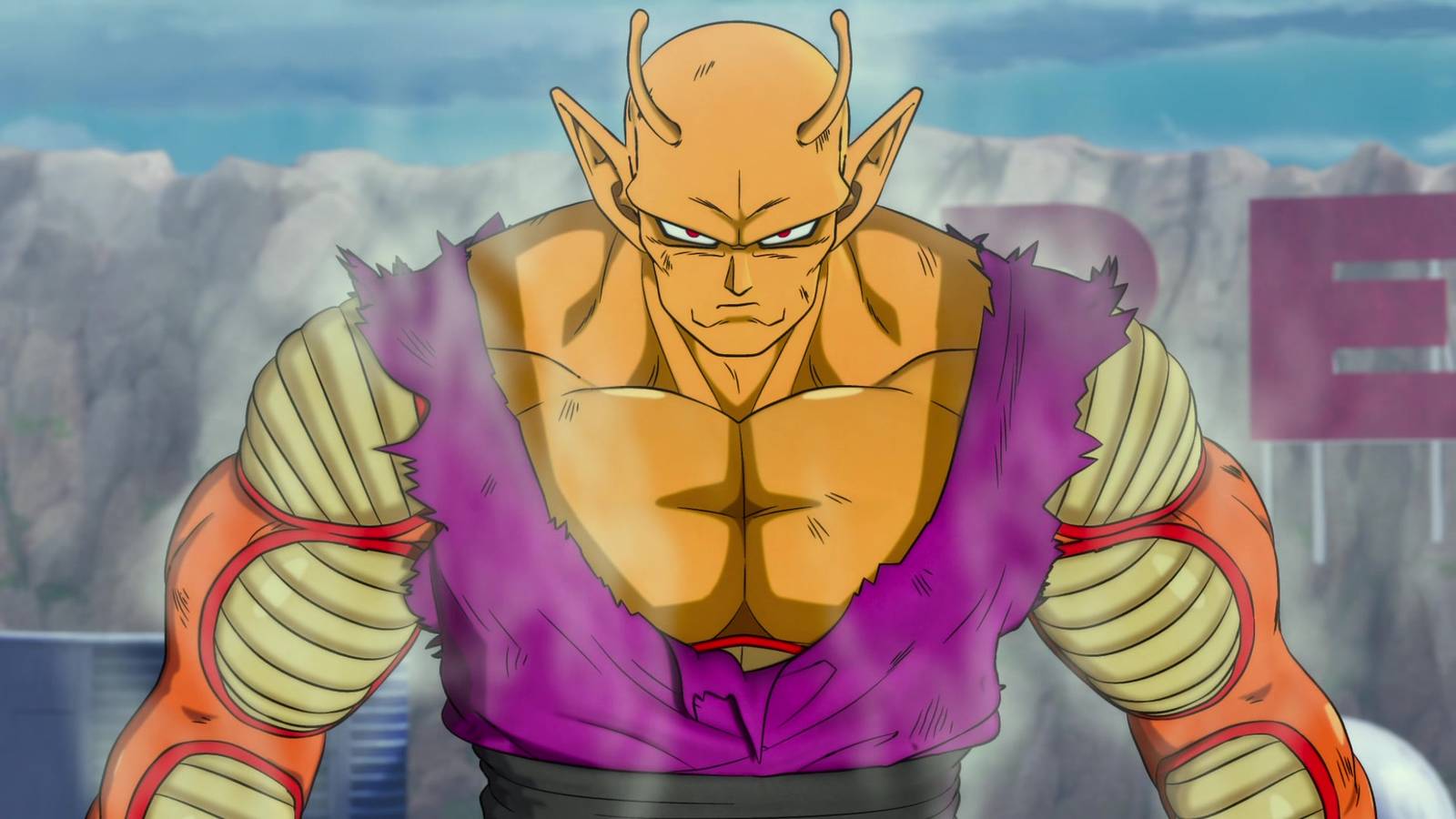
The Narrative Shift to Piccolo’s Spotlight
For decades, the Dragon Ball franchise has operated under a clear, if sometimes rigid, narrative structure: the story revolves around the Saiyan protagonists, Goku and Vegeta. While supporting characters like Piccolo, Krillin, and Bulma have been instrumental in major battles, their individual character arcs and moments of glory have often taken a backseat to the escalating power levels and confrontations involving the two main Saiyans. This pattern of narrative prioritization meant that even when Piccolo was crucial—such as during the Namek Saga against Frieza or in the Cell Games—his personal development often felt secondary to the overarching conflict involving Goku and Vegeta.
The 2022 film, *Dragon Ball Super: Super Hero*, represents a notable deviation from this established pattern. The film deliberately sidelines the two primary Saiyan figures, instead focusing heavily on Piccolo. This was not merely a change in who fought the final villain; it was a structural decision to elevate Piccolo both as a combatant and as a central mentor figure. The plot reintroduces the Red Ribbon Army, a threat that dates back to the early days of the franchise, and utilizes new androids, Gamma 1 and Gamma 2, to challenge Capsule Corp. and the Z Warriors. This setup allowed the narrative to build tension and character moments centered on Piccolo’s unique abilities and his relationship with the core group, giving him the narrative weight he had previously lacked.
The film’s success in centering Piccolo is significant because it forces the audience to view the character through a lens of self-sufficiency and primary importance. Unlike previous arcs where Piccolo often served as a powerful supporting pillar for the Saiyans, *Super Hero* positioned him as a key driver of the action. This focus allowed the narrative to explore his history, his emotional depth, and his unique fighting style without constantly needing to measure his power against the escalating might of Goku or Vegeta. It was a calculated move to give the fan-favorite character the narrative space to shine, a feat that had eluded him since the Cell Saga.
Revisiting Character Importance and History
The history of Piccolo within the Dragon Ball canon is a study in narrative underutilization. Despite being one of the most powerful and complex characters introduced, his personal journey has often been overshadowed by the sheer scale of the Saiyan conflicts. He was instrumental in pivotal moments, yet his own character development often felt constrained by the needs of the main duo. The narrative tendency to focus on the "power ceiling" of Goku and Vegeta meant that other characters, no matter how skilled or emotionally resonant, were frequently relegated to the role of powerful supporting cast.
The shift seen in *Super Hero* directly addresses this historical imbalance. By making the Red Ribbon Army and the threat posed by Gamma 1 and Gamma 2 the central conflict, the film creates a scenario where Piccolo’s specific skills and strategic importance are paramount. This narrative choice is a direct acknowledgment of fan sentiment: that Piccolo deserves a story where his character arc is the primary focus, rather than merely a side quest leading up to a Saiyan confrontation. The film successfully grounds the action in a threat that requires the unique blend of skills that Piccolo represents—a blend of martial prowess, tactical thinking, and emotional resilience.
This narrative pivot is more than just fan service; it suggests a potential maturation in the franchise's storytelling approach. By giving a character like Piccolo the main stage, the creators are signaling a willingness to explore the depth of the supporting cast, rather than relying solely on the established, high-stakes rivalry between Goku and Vegeta. This opens up possibilities for future stories that can maintain the high action quotient while giving more weight to individual character journeys.
Analyzing the Future Narrative Constraints
While the spotlight on Piccolo in *Super Hero* was a clear success for character development, it also highlights the fundamental structural constraint facing the franchise: how to maintain the high-stakes, escalating action that defines Dragon Ball while distributing narrative importance more evenly. The challenge is to build stories that are as universally exciting as a Goku vs. Vegeta battle, but that are equally dedicated to the personal growth and unique contributions of characters like Piccolo.
The most important unresolved signal for the franchise is the establishment of a sustainable narrative model. If future installments continue to treat Piccolo’s spotlight as a one-off event, the impact will fade. For the franchise to truly evolve, it needs to integrate character-centric arcs into the main continuity, rather than treating them as standalone side stories. This requires a delicate balance:
- Maintaining Stakes: The threats must remain universe-level, ensuring the action never feels diminished.
- Elevating Supporting Roles: Characters like Piccolo must be given agency—meaning their actions must be the primary catalyst for the plot, not just a reaction to the main conflict.
- Expanding the Lore: The Red Ribbon Army and the androids introduced in *Super Hero* provide excellent groundwork for future, more focused narratives that can explore the history and technology of the world without needing the immediate threat of a galactic invasion.
The success of this narrative shift depends on the creators' ability to treat Piccolo's character not as a powerful accessory to the Saiyans, but as a foundational pillar of the Z Warrior lineage. The film proved that the audience is ready for this depth. The next step for the franchise is to prove that this was not an anomaly, but the beginning of a new, more character-inclusive era of storytelling.
Confirmed details first, useful context second. This is the quickest path to the source trail and the next pages worth opening.
Source date: April 13, 2026