Dr. Semiconductor’s Backyard RAM Could Fix the 2026 Memory Crisis
Your next high-speed gaming rig might not be powered by a multi-billion dollar factory in Taiwan, but by a shed in a suburban backyard. As the hardware industry hurtles toward a projected 2026 DRAM pricing catastrophe, one rogue scientist is attempting the impossible: fabricating functional RAM at home. Why this matters: If the current semiconductor giants continue to price out the average gamer, "homegrown" memory could be the only way to keep PC gaming affordable in the next decade.
Dr. Semiconductor Challenges Industry Giants
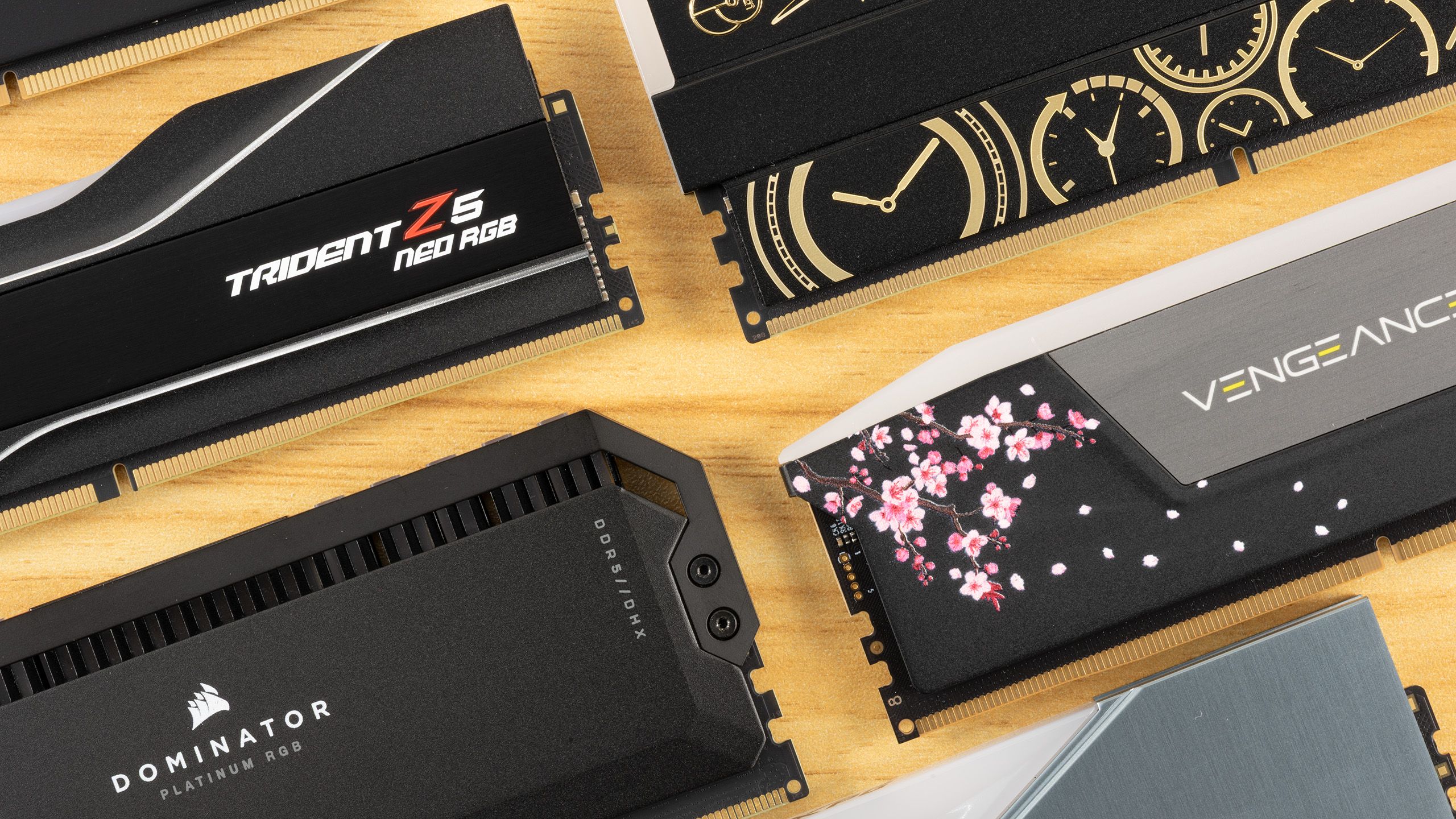
The project, led by a figure known in the enthusiast community as Dr. Semiconductor, is a direct response to the "DRAM crisis" looming over the horizon. Current industry trajectories suggest that by 2026, the cost of consumer RAM will hit a ceiling that makes high-end gaming inaccessible for most. While the big three manufacturers focus on high-margin enterprise AI chips, the humble gamer is being left in the dust. Dr. Semiconductor’s solution is as radical as it is DIY: a fully functional semiconductor cleanroom constructed inside a backyard shed.
Building a cleanroom isn't just about sweeping the floor. It requires intense air filtration and precise environmental controls to prevent a single speck of dust from ruining a silicon wafer. This shed-based lab is designed to prove that the "unreachable" technology of memory fabrication can be decentralized. It’s a David vs. Goliath story where the slingshot is made of HEPA filters and acid baths. The creator isn't just making a point; he’s making hardware that the industry claims is impossible to build outside of a sterile corporate megastructure.
Silicon Wafers Reveal Hobbyist Sweet Spot
Early results from the shed are already turning heads in the engineering world. Dr. Semiconductor has successfully managed to create an oxide layer on a silicon surface with a precision of roughly 330nm. In the world of modern nanometers, 330 might sound massive, but for a solo operator in a shed, it’s a monumental achievement. This layer is the foundation upon which the memory cells are built, acting as the gatekeeper for the electrical charges that represent your data.
The fabricated DRAM cells have shown a capacitance of 12pF. Dr. Semiconductor has officially labeled this the "hobbyist sweet spot." It represents a balance between manufacturability and functional performance. While you won't be running Cyberpunk 2077 on a single cell just yet, the fact that these cells hold a charge at all is a breakthrough. It proves that the fundamental physics of RAM can be harnessed without a billion-dollar subsidy. The process involves volatile chemicals and extreme heat, making this one of the most dangerous and ambitious DIY projects in gaming history.
Memory Cells Target PC Integration

The roadmap for this backyard project doesn't end with a few successful test cells. Dr. Semiconductor is already moving toward the next phase: scaling. The goal is to move from individual cells to a much larger array of finished memory components. This isn't just a science experiment; the stated endgame is to "hook up to a PC." The vision involves a custom interface that allows a modern motherboard to recognize and utilize this home-cooked memory.
Scaling presents a massive hurdle. Connecting thousands of these 12pF cells requires a level of microscopic wiring that usually requires extreme ultraviolet lithography. However, the project is banking on a "good enough" approach that prioritizes reliability over extreme density. If Dr. Semiconductor can bridge the gap between his silicon wafers and a standard DIMM slot, it would send shockwaves through the hardware world. It would mean that the monopoly on memory production has a crack in it, and that crack is located in a backyard shed.
By 2026, the gap between enthusiast-grade hardware and affordable consumer parts will likely force more inventors to seek alternative manufacturing methods. While Dr. Semiconductor’s shed won't replace massive fabrication plants, it will prove that decentralized hardware production is no longer a pipe dream. Expect the open-source hardware community to adopt these findings to keep PC gaming accessible as corporate prices climb.
Frequently Asked Questions

When will DIY RAM be available for purchase?
There is no commercial release date as this is currently a solo research project. The creator is focused on proving the fabrication process works before considering any form of distribution.
Can this shed-made RAM run modern AAA games?
Not in its current state, as the capacitance and density are far below modern DDR5 standards. The project aims to establish a functional proof-of-concept that can eventually be scaled for PC use.
Why is there a DRAM crisis predicted for 2026?
Industry analysts expect a shift in manufacturing focus toward high-margin AI and enterprise chips, leading to a shortage of affordable consumer-grade RAM. This shift could cause prices for gamers to spike significantly.
Confirmed details first, useful context second. This is the quickest path to the source trail and the next pages worth opening.
Source date: April 22, 2026