Mephisto is finally stepping out of the shadows, and Sanctuary will never be the same. As the Prime Evil of Hatred prepares his final move, players are realizing this might be more than just another seasonal update; it feels like the closing of a dark, decade-long chapter.
What this means for players: This update isn't just adding content; it's a structural rebirth that signals the potential finale of the current narrative arc, forcing every Wanderer to rethink their place in the world. The Lord of Hatred expansion is poised to redefine the Diablo 4 experience by addressing the very foundations of how we fight, loot, and survive the Burning Hells.
The End of the Line for Mephisto
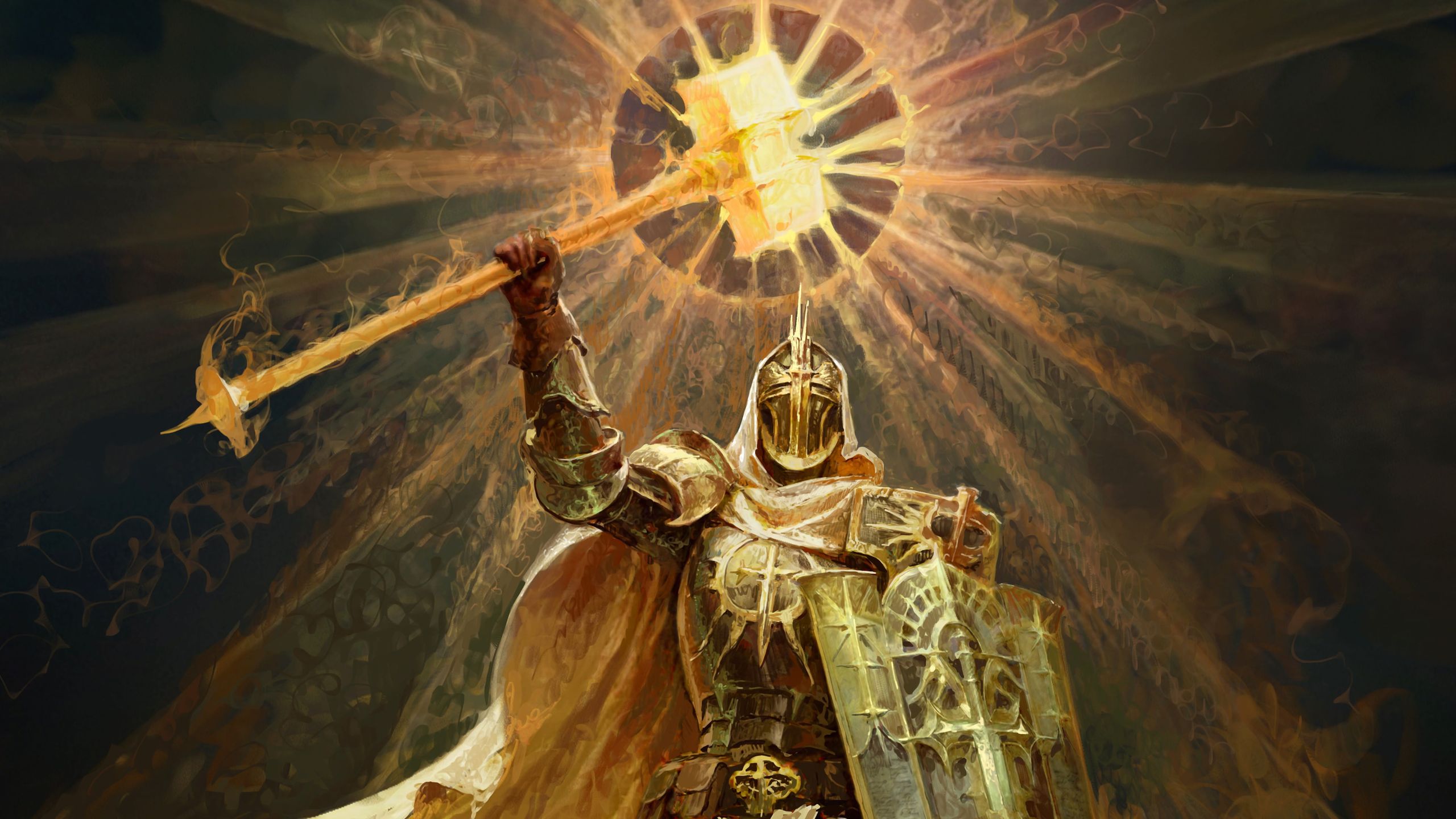
The gaming community is currently buzzing with a singular realization: the Lord of Hatred update appears to be the definitive conclusion to the current Blizzard Saga. While previous expansions felt like bridges to future stories, this narrative arc is being praised for its relentless pacing and emotional weight. It feels like a natural, if harrowing, culmination of the story that began with the search for Neyrelle in Vessel of Hatred.
For those who have followed the lore since the original trilogy, this feels like the end of the line. Blizzard has meticulously crafted a scenario where the stakes couldn't be higher. The narrative doesn't just provide more boss fights; it wraps up the lingering threads of the Prime Evils in a way that makes Diablo 4 feel narratively complete. Whether this means the game will pivot to a new era or take a long hiatus from the main storyline is the question on every fan's mind.
The involvement of the community in this narrative journey has been intense. Early reactions suggest that the finality of the Mephisto encounter provides a sense of closure that the base game lacked. By focusing on the visceral impact of Hatred itself, the writers have managed to create a conclusion that feels earned rather than rushed.
Overhauling the Core Gameplay Loop in Diablo 4

Beyond the story, Blizzard is fundamentally overhauling the core gameplay loop to satisfy the most hardcore ARPG enthusiasts. The new skill system is a radical departure from the launch version of the game. Every single skill now features a range of specific passives and the ability to change its damage type entirely. This level of granularity draws immediate and favorable parallels to the complexity found in Path of Exile 2, giving players the freedom to turn a traditional frost build into a searing fire-based powerhouse with a few strategic choices.
Character progression has shifted away from simple level-ups toward a multi-layered ecosystem of gear and power. Players now rely on a complex synergy between uniques, legendary aspects, and the tempering system. This isn't just about finding the highest number; it’s about crafting a specific identity for your character. The friction of the old progression system has been replaced by a more fluid, rewarding journey that keeps the "just one more dungeon" mentality alive.
This overhaul also addresses the long-standing complaints regarding build variety. By allowing players to manipulate damage types at the skill level, the meta is no longer restricted to a handful of "correct" builds. Every class now has the potential to experiment with elemental combinations that were previously impossible, making the hunt for the perfect piece of gear feel more personal and impactful than ever before.
The Horadric Cube Returns to Sanctuary
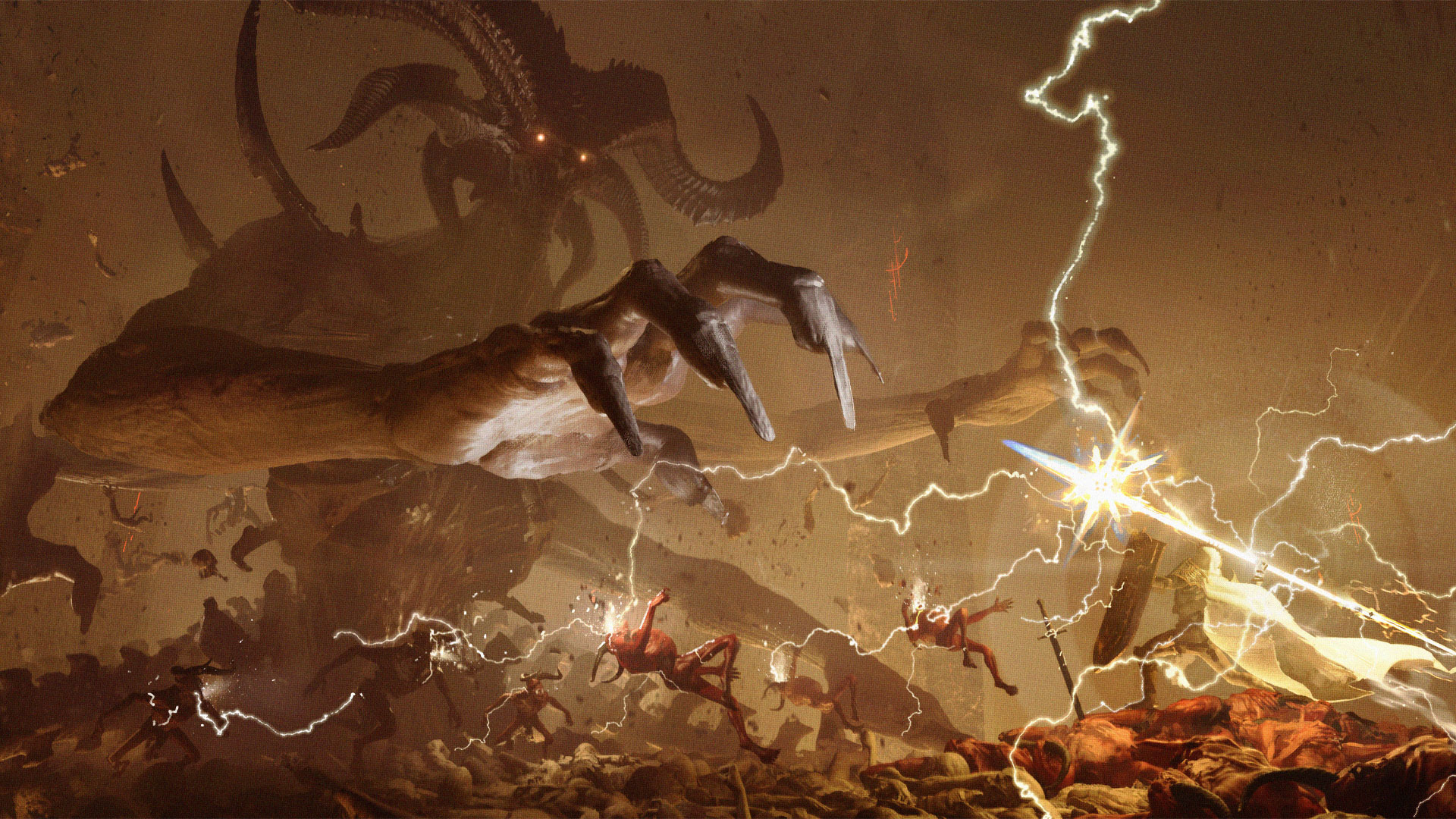
In a move that has sent shockwaves through the veteran fanbase, the Horadric Cube has officially returned. This legendary artifact isn't just a nostalgia trip; it is a vital tool for the new end-game economy. The Cube allows players to transmute uniques, providing a much-needed solution to the problem of duplicate or useless high-tier drops. This significantly boosts gear customization options, allowing you to turn unwanted loot into the specific components needed to perfect your build.
The introduction of transmuting adds a layer of strategy to inventory management. Instead of simply selling or salvaging your hard-earned uniques, you now have to decide which items are worth sacrificing to fuel your next big upgrade. It creates a gameplay loop where every drop has potential value, even if it isn't an immediate upgrade for your current character. This system ensures that the grind for perfection feels less like a game of chance and more like a calculated progression.
Furthermore, the Horadric Cube acts as the centerpiece for the new crafting mechanics. By integrating it into the core loop, Blizzard has given players a reason to engage with the world's materials more deeply. It bridges the gap between casual play and the high-level optimization required for the game's toughest challenges, making the path to power feel more tangible and rewarding for all player types.
Warlocks and Paladins Enter Sanctuary

The roster of heroes is expanding with two of the most requested archetypes in the history of the franchise: the Warlock and the Paladin. These new classes and narrative scope represent a significant investment in the game's longevity. The Warlock brings a dark, tactical approach to combat, utilizing forbidden curses and demonic pacts to control the battlefield. It offers a high-skill ceiling that rewards players who can manage multiple debuffs while maintaining their own fragile life force.
On the other end of the spectrum, the Paladin returns as the stalwart protector of the Light. This class is designed to be the ultimate anchor for group play, providing powerful auras and devastating holy strikes. The Paladin’s presence in Diablo 4 feels like a missing piece of the puzzle finally clicking into place, offering a defensive-oriented playstyle that has been absent since the game's inception. Together, these classes provide a fresh perspective on the war against Mephisto.
The addition of these classes isn't just about new buttons to press; it's about how they fit into the concluding narrative. Both the Warlock and the Paladin have unique interactions with the Lord of Hatred storyline, offering different thematic lenses through which to view the end of the Blizzard Saga. This makes the game feel narratively complete, as if the full strike force of Sanctuary has finally assembled to face the ultimate threat.
Frequently Asked Questions
When is the Lord of Hatred release date?
Blizzard has positioned this update as the definitive conclusion to the current narrative arc, with a launch expected to follow the foundational changes established in the Vessel of Hatred expansion.
What are the new classes in the Lord of Hatred update?
The update introduces the Warlock and the Paladin, providing two distinct playstyles that focus on demonic curses and holy defensive auras respectively.
Does Lord of Hatred change the end-game?
Yes, it introduces the Horadric Cube for transmuting uniques and a total skill system overhaul that allows for unprecedented character customization and damage-type shifting.
Blizzard will likely pivot to a "live-service forever" model after this narrative wrap-up, focusing on infinite seasonal cycles rather than traditional story expansions. The success of the Warlock and Paladin will dictate the competitive meta for the next two years as players find broken synergies within the new skill system. Players should expect a shift toward massive seasonal overhauls rather than narrative expansions in the near future as the world of Sanctuary enters a state of permanent, evolving conflict.
Confirmed details first, useful context second. This is the quickest path to the source trail and the next pages worth opening.
Source date: May 4, 2026