Woolhaven Frost Redefines Cult Management Tactics
The core of the Woolhaven update is the severe cold weather system. In previous iterations of Cult of the Lamb, the primary threats to your flock were hunger, illness, and the occasional dissenting voice. Now, the environment itself is an active antagonist. The mercury has dropped, and with it, the margin for error in your base layout has narrowed significantly. Players must now monitor heat levels for every individual follower, a task that requires a complete rethink of how the cult’s headquarters are constructed. It is a move that adds significant strategic depth, forcing a transition from aesthetic design to functional survivalism.
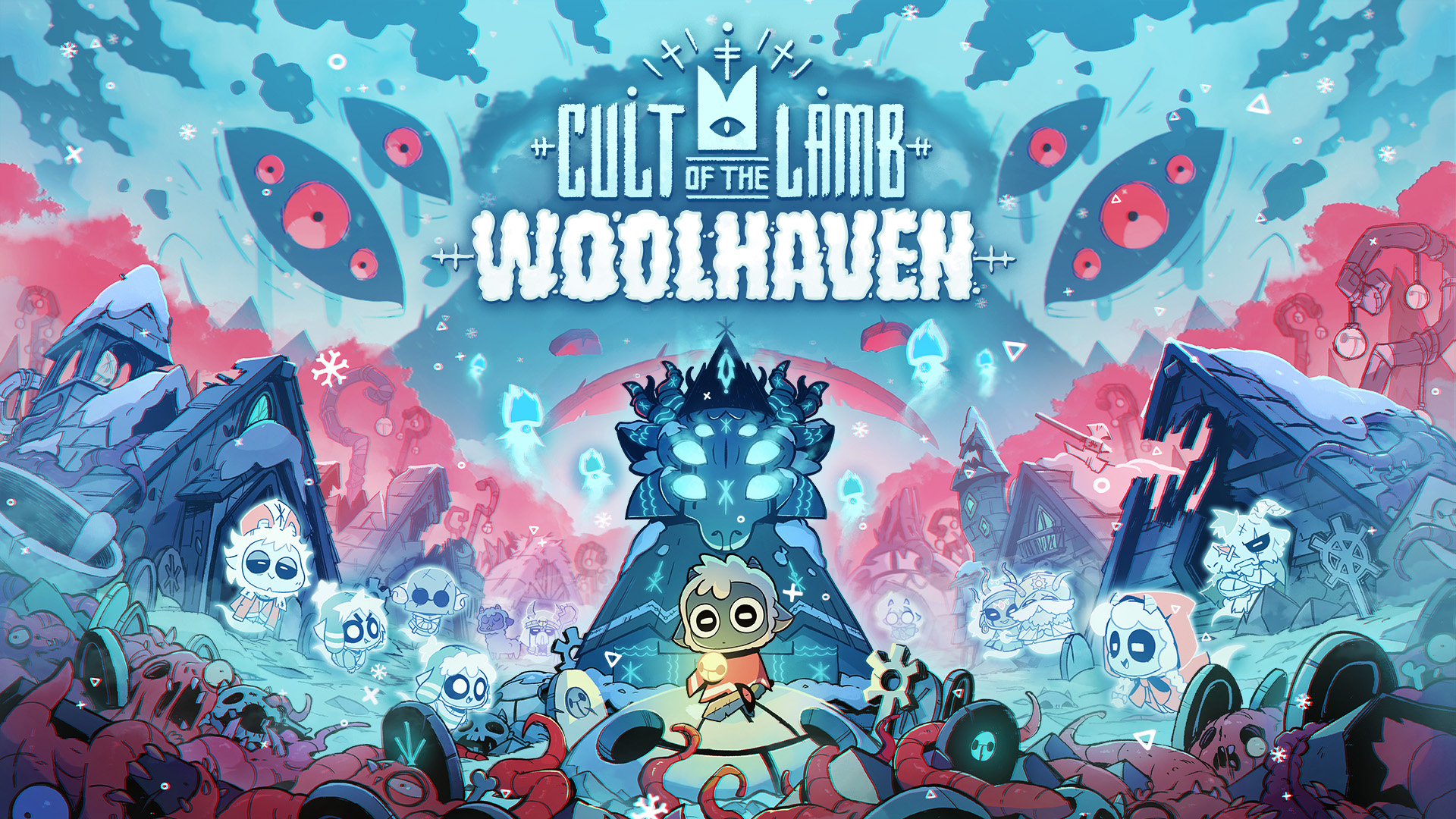
This temperature mechanic isn't a passive debuff. It is a looming crisis. If the Lamb fails to provide adequate warmth, productivity plummets and mortality rates spike. You are no longer just a spiritual leader; you are a logistics officer managing a heating grid. The introduction of heat-generating structures and specialized clothing creates a new resource sink that keeps the mid-to-late game from becoming stagnant. Every piece of wood or stone now has a secondary value in the context of thermal insulation. The struggle is palpable. It turns the cozy, macabre atmosphere of the original game into a tense, high-stakes management puzzle where the wind is just as lethal as a heretic’s blade.
Strategic depth in Cult of the Lamb has always been about balancing the needs of the many against the whims of the one. Woolhaven amplifies this by making the "needs of the many" much more expensive. You can’t just feed them; you have to keep them from turning into popsicles. This shift in focus requires players to prioritize research paths that they might have ignored in the past. The survival of the cult now hinges on the Lamb’s ability to adapt to a world that has grown increasingly hostile, proving that even a god-king is subject to the laws of nature.
Yakish Farming Transforms The Occult Economy
To combat the biting chill of the new environment, the update introduces a robust new agricultural tier centered around the Yakish. These hulking, shaggy beasts are the backbone of the Woolhaven economy. Farmers can now harvest wool, milk, and meat from these creatures, creating a self-sustaining loop that provides the raw materials necessary for survival. The wool, in particular, is the most valuable commodity in this new era, serving as the primary component for the new thermal gear. It is a clever integration of farming mechanics that feels like a natural evolution of the game’s existing systems.
But the Yakish are just the beginning. The update boasts a staggering 52 new types of animals available for collection. The diversity is impressive, ranging from the expected snow leopards to the bizarrely out-of-place sea butterflies and armadillos. While some might question the ecological consistency of an iguana living in a frost-covered wasteland, the variety serves a clear gameplay purpose. Each animal offers different resource yields or aesthetic benefits, encouraging players to explore every corner of the new zones to complete their menagerie. It is a collector’s dream, buried inside a nightmare of frozen eldritch horror.
The economic impact of these new animals cannot be overstated. By diversifying the types of resources available, Massive Monster has effectively devalued some of the older, more exploitable farming methods. You can no longer rely solely on basic berry patches to sustain a massive cult. The introduction of milk and high-quality meat adds a culinary layer that ties back into the follower health and heat systems. It is a tightly woven web of dependencies. If you want your followers to work in the cold, they need warm clothes. To get warm clothes, you need Yakish wool. To keep the Yakish healthy, you need a stable farming infrastructure. The cycle is relentless and addictive.
Exploring The Frozen Dungeons Of Woolhaven
Beyond the gates of your cult’s sanctuary lie two new dungeons that push the Lamb’s combat prowess to its limit. These aren't just reskins of existing areas; they are architecturally distinct zones designed to showcase the new weather effects and enemy types. The visual storytelling here is top-tier, with frozen corpses of former cultists serving as grim warnings of the challenges ahead. The dungeons introduce multiple bosses that are not only mechanically complex but also deeply integrated into the lore of the original game. These encounters provide the "why" behind the sudden onset of the eternal winter, adding layers of narrative weight to every swing of your sword.
The new bosses are a masterclass in pattern recognition and environmental awareness. In Woolhaven, the floor is often as dangerous as the enemy. Ice slicks affect movement speed and dodge-roll distance, while falling icicles create a constant need for positioning. It forces a more deliberate, tactical approach to combat that contrasts with the frantic button-mashing that sometimes plagued the earlier dungeons. The rewards for conquering these frozen hellscapes are equally significant, offering unique blueprints and rituals that are essential for mastering the new cold-weather mechanics back at the base.
Lore hunters will find plenty to chew on in these new depths. The expansion provides much-needed context for the world outside the Lands of the Old Faith, suggesting that the Lamb’s influence is beginning to reach territories that were previously considered uninhabitable. The environmental storytelling suggests a world in flux, where the old gods are being replaced by even more primordial forces of nature. It’s a dark, cold, and beautiful expansion of the universe that proves there is still plenty of blood to be spilled in the name of the Lamb, even if that blood is frozen solid.
Massive Monster will likely leverage these survival mechanics to bridge the gap between casual simulation fans and hardcore roguelike enthusiasts. The inclusion of 52 disparate species suggests a future move toward a more robust creature-collection ecosystem, potentially eyeing a "Pokemon-lite" expansion. As the Woolhaven meta stabilizes, expect the community to prioritize high-yield Yakish farms over traditional blood sacrifices to sustain the cult’s newfound metabolic demands.
Tags : #CultOfTheLamb #WoolhavenDLC #NewCreatures #FrostyChallenges #GamingNews
Confirmed details first, useful context second. This is the quickest path to the source trail and the next pages worth opening.