The boundary between technical ambition and player frustration is often razor-thin, and Pearl Abyss is currently walking that line with its highly anticipated open-world epic. Crimson Desert has long been touted as a visual powerhouse, a sprawling showcase for the proprietary BlackSpace Engine that promises a level of fidelity rarely seen in the genre. However, early feedback from hands-on previews and closed technical tests suggested that the game’s commitment to hyper-realism was creating a friction-heavy experience. The weight of the protagonist, the momentum of the horse, and the intricate physics-based interactions were described by some as "clunky" or "overly deliberate." In a fast-paced market where responsiveness is king, Pearl Abyss had a choice: stick to their simulationist guns or pivot toward accessibility. Patch 1.02 represents the first major signal that the studio is listening to the critics.
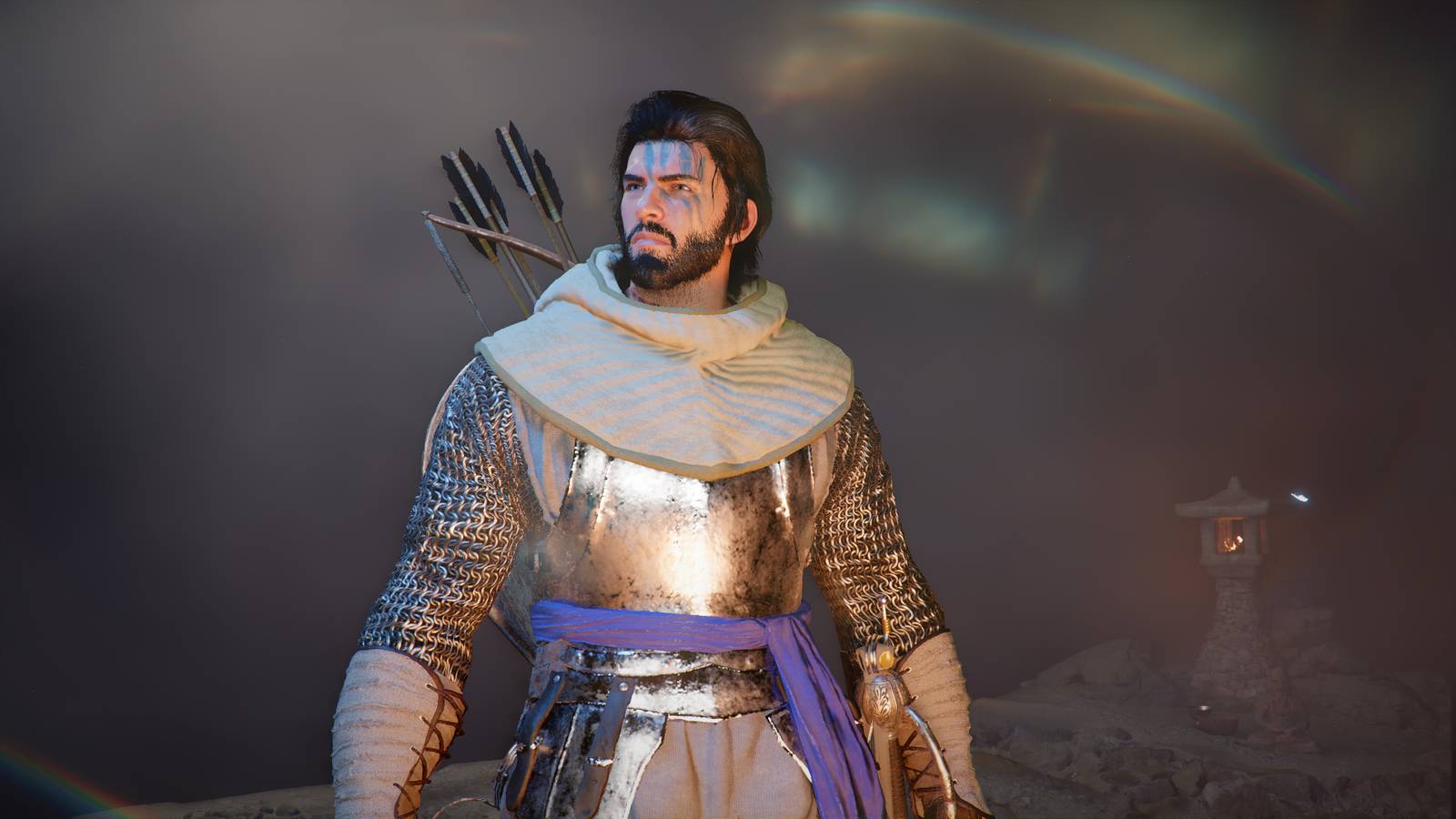
What this means for players: Pearl Abyss is actively dismantling the barrier to entry by offering a "Basic" control scheme that prioritizes snappy, traditional action-game responsiveness over the heavy, momentum-based physics of the original "Classic" vision. By providing these distinct options, the developer is attempting to satisfy both the hardcore simulation enthusiasts and the mainstream audience that expects the fluid mobility found in titles like The Witcher 3 or Elden Ring.

Pearl Abyss Refines Crimson Desert Controls
The introduction of the "Basic" and "Classic" movement options in Patch 1.02 is more than a simple toggle in the settings menu; it is a fundamental recalibration of how the player interacts with the world of Pywel. The "Classic" mode retains the original vision of the game, where every step has weight and turning circles are dictated by realistic physics. In this mode, Macduff, the game’s mercenary protagonist, moves with a sense of inertia that requires foresight and precision. Stopping a sprint takes time, and jumping feels governed by actual gravity rather than arcade-style physics. While this adds to the immersion, it often led to instances where players felt they were fighting the character rather than the enemies. It was a polarizing design choice that threatened to overshadow the game's impressive combat systems.
The new "Basic" option strips away much of that procedural friction. It allows for instant directional shifts and reduces the animation wind-up for basic actions like climbing, sprinting, and mounting horses. This shift suggests that Pearl Abyss is cognizant of the "Red Dead Redemption 2" problem, where extreme realism can sometimes result in a game that feels sluggish to a significant portion of the player base. By decoupling the movement logic from the heavy animation layering, the studio has effectively created two different ways to experience the same world. This move is a tactical masterstroke, ensuring that the game remains a technical marvel for those who want it, while becoming a playable action-adventure for everyone else.
The Weight Of Crimson Desert Ambition
Developing a proprietary engine like BlackSpace is a high-stakes gamble in an industry increasingly dominated by Unreal Engine 5. The advantage is total control over the pipeline; the disadvantage is that every bug and every clunky interaction must be solved from scratch. Crimson Desert is the flagship for this technology, and Patch 1.02 addresses the core criticisms regarding how that technology translates to "game feel." Beyond the movement toggles, the patch notes indicate subtle tweaks to the environmental collision. Previously, players reported getting snagged on small rocks or uneven terrain, a common issue in games that prioritize high-fidelity geometry over simplified collision boxes. The update smoothens these interactions, allowing for a more seamless traversal through the dense forests and rugged mountains that define the game’s landscape.
The industry is watching Crimson Desert closely because it represents a rare breed of high-budget single-player experiences coming out of South Korea, a region traditionally dominated by mobile and MMO titles. The shift from its original MMO concept to a narrative-driven action RPG has placed an immense burden on the game’s mechanics to carry the experience. If the movement feels bad, the entire 60-hour journey feels like a chore. Patch 1.02 is a preemptive strike against that narrative. It shows a developer willing to compromise on "purity" to ensure the game actually lands with a global audience. The "Basic" control scheme is an admission that while realism is a great marketing tool, fluidity is what keeps players from putting the controller down.
Modern Standards Reshape Crimson Desert Mechanics
In the current gaming climate, "friction" has become a dirty word for many developers. While games like Kingdom Come: Deliverance have found success by leaning into complex, difficult-to-master systems, the AAA space is generally moving toward a "frictionless" ideal. Crimson Desert is trying to have it both ways. The combat in the game is notoriously complex, featuring wrestling moves, environmental finishers, and a stamina system that punishes button-mashing. By simplifying the movement in Patch 1.02, Pearl Abyss is clearing the mental deck for players, allowing them to focus on the intricacies of the fight rather than the struggle of getting into position. This is a vital distinction; the difficulty should come from the enemies, not the controls.
Community reactions to the patch have been cautiously optimistic. Long-time followers of the project, who have been waiting since the game’s 2019 reveal, see this as a sign of a nearing release date. A developer doesn't spend time refining control schemes and adding accessibility toggles unless they are in the final stages of balancing. The "Classic" movement will likely remain the preferred way to play for those looking for a "hardcore" survival experience, but the "Basic" mode will undoubtedly be the default for the vast majority of console players. This duality is becoming a standard in high-end RPGs, where "Quality of Life" features are no longer optional extras but core components of the design philosophy.
Combat Fluidity In Crimson Desert Environments
The interaction between movement and combat is where Patch 1.02 will be most felt. In Crimson Desert, combat is not just about swinging a sword; it’s about using the environment—throwing enemies off cliffs, slamming them into trees, or using the terrain to gain a height advantage. When movement is clunky, these tactical options become a liability. If you can't accurately position yourself for a tackle because your character is still finishing a "turn" animation, you miss the window of opportunity. The "Basic" movement scheme directly addresses this by tightening the link between player input and character output. It turns Macduff from a heavy, realistic soldier into a responsive tool of destruction.
Furthermore, the patch notes hint at improved camera behavior during these high-intensity moments. A camera that struggles to keep up with a character’s momentum is a recipe for motion sickness and frustration. By refining the camera logic to match the new movement options, Pearl Abyss is ensuring that the visual spectacle of the BlackSpace Engine isn't lost in a blur of poorly tracked movement. The studio is clearly aiming for a level of polish that rivals the best of Sony’s first-party lineup. This level of granular adjustment is what separates a cult classic from a mainstream hit. The stakes for Pearl Abyss couldn't be higher, as Crimson Desert is set to define the company’s reputation on the global stage for the next decade.
Pearl Abyss will likely lean further into "Basic" defaults as they court a broader console audience ahead of the final launch window. We should expect a series of incremental stability updates targeting the game’s demanding proprietary engine performance on mid-range hardware. If the feedback loop remains this tight, the title could finally bridge the gap between niche technical showcase and mainstream blockbuster.
Frequently Asked Questions
What is the expected release date for Crimson Desert?
While an official date is not yet set, industry analysts and recent developer activity suggest a late 2025 launch window. The game has undergone several internal delays to ensure the proprietary BlackSpace Engine is fully optimized for consoles.
Will Crimson Desert be available on PlayStation 4 and Xbox One?
No, the game is currently targeting PC, PlayStation 5, and Xbox Series X/S to maintain its high graphical fidelity. The complexity of the physics and lighting systems makes a last-gen port highly unlikely at this stage of development.
How does the "Basic" movement option change gameplay?
The "Basic" option removes the realistic weight and inertia from the character, allowing for instant turns and faster animation responses. This makes the game feel more like a traditional action RPG and less like a realistic simulation.
Tags : #CrimsonDesert #Patch102 #PlayerExperience #UpdatedFeatures #GamingNews
Confirmed details first, useful context second. This is the quickest path to the source trail and the next pages worth opening.
Source date: April 5, 2026