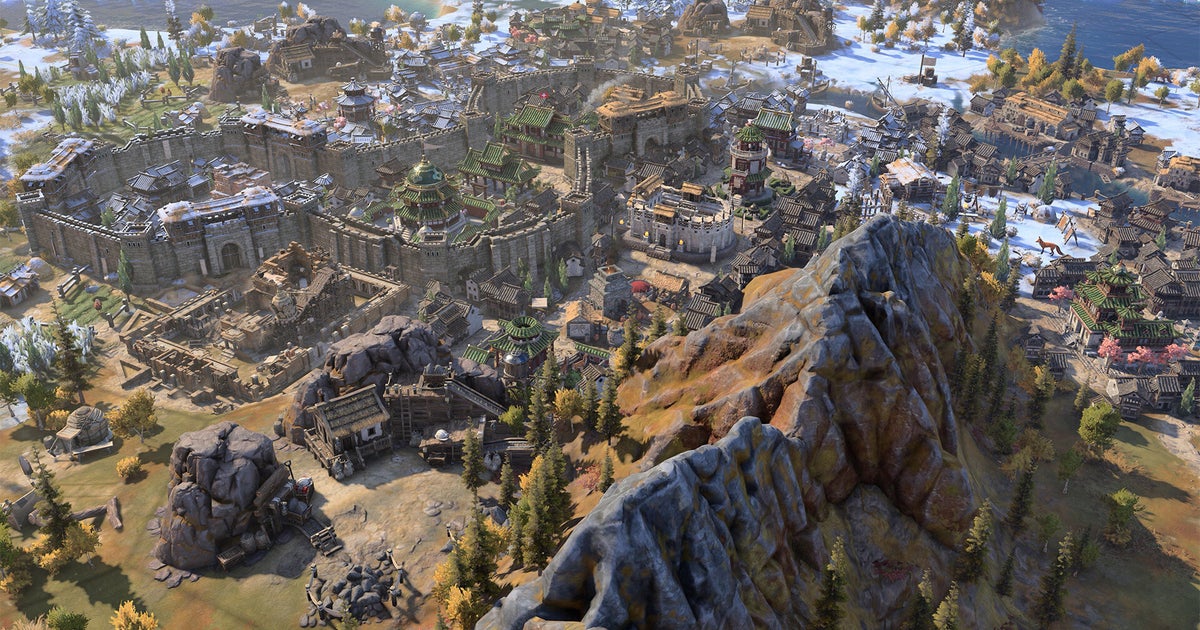
Civilization 7's Test of Time Update Redefines Campaign Longevity and Civic Play
What if the boundaries of a civilization's lifespan suddenly vanished? The traditional limitations on campaign scope are being scrapped, fundamentally changing how long and how deep players can immerse themselves in the rise and fall of empires. The Civilization 7 Test of Time update doesn't just add content; it rebuilds the foundational pillars of strategy, longevity, and cultural identity.
What this means for players: The days of feeling rushed through critical eras are over. The game is promising a massive increase in strategic depth, rewarding players who commit to a single, long-term playstyle.
This overhaul is designed to keep the strategic engine running at peak performance, ensuring that even the longest campaigns feel fresh, impactful, and uniquely yours. It’s a massive shift that makes the entire concept of "game end" feel much further away.
Time-Tested Civilizations Bypass Apex Age
One of the most monumental changes introduced by the Civilization 7 Test of Time update is the dismantling of the rigid Apex Age transition. For years, players were constrained by the need to adapt to massive, sudden shifts in game structure. No longer.
The new system allows players to focus on one civilization, maintaining continuity across multiple ages. These extended campaigns are centered around "Time-Tested" civilizations. Instead of feeling like a temporary detour, these civs gain a unique, bespoke civic tree. This is critical; it means the specialization feels earned and permanent, not just a patch.
This unique civic tree includes a "truly unique" civic, crafted specifically for that civilization and the current Age. It offers specialized Traditions and effects that build upon the civ's history, giving a tangible sense of uninterrupted cultural development that simply wasn't possible before.
Syncretism Mechanics Deepen Cultural Strategy
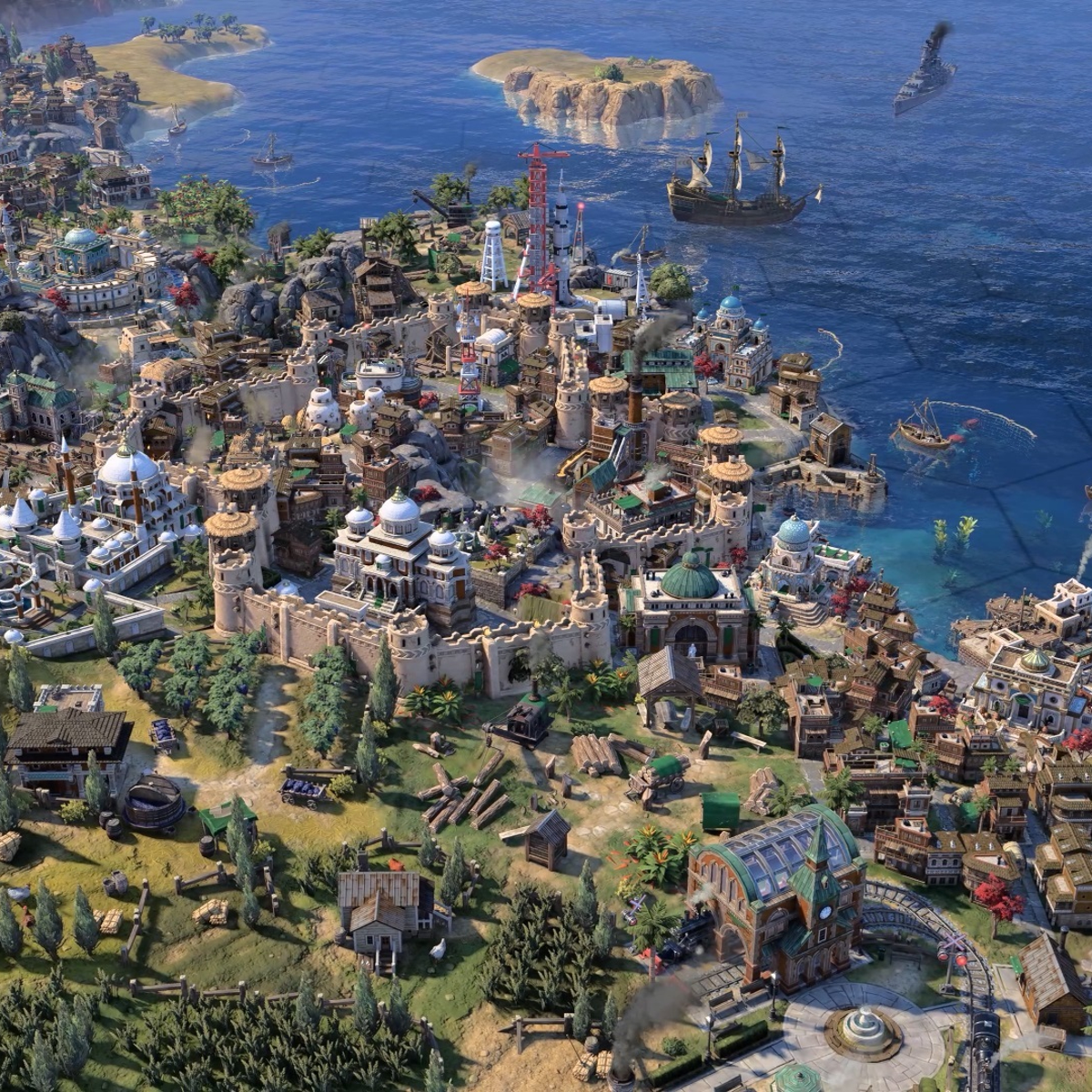
If the campaign longevity is the scope, the Syncretism mechanic is the depth. The update introduces "Syncretism," a core civic mechanism that changes how players interact with cultures across the map. It moves the focus from simply discovering wonders to actively integrating foreign ideas.
Syncretism is defined as the process of integrating concepts, symbols, or practices from one tradition into another. In practical terms, this lets players actively "nab ideas from other civs," allowing for a layered, inter-civilizational cultural exchange. This isn't just flavor; it's a strategic layer that rewards adaptability and geopolitical maneuvering.
The game is now encouraging players to treat rival cultures not just as obstacles, but as potential sources of unique, game-winning technology or civic boosts. It elevates the cultural map from a backdrop to a central strategic resource.
Triumphs Replace Legacy Paths and Overhaul Victories
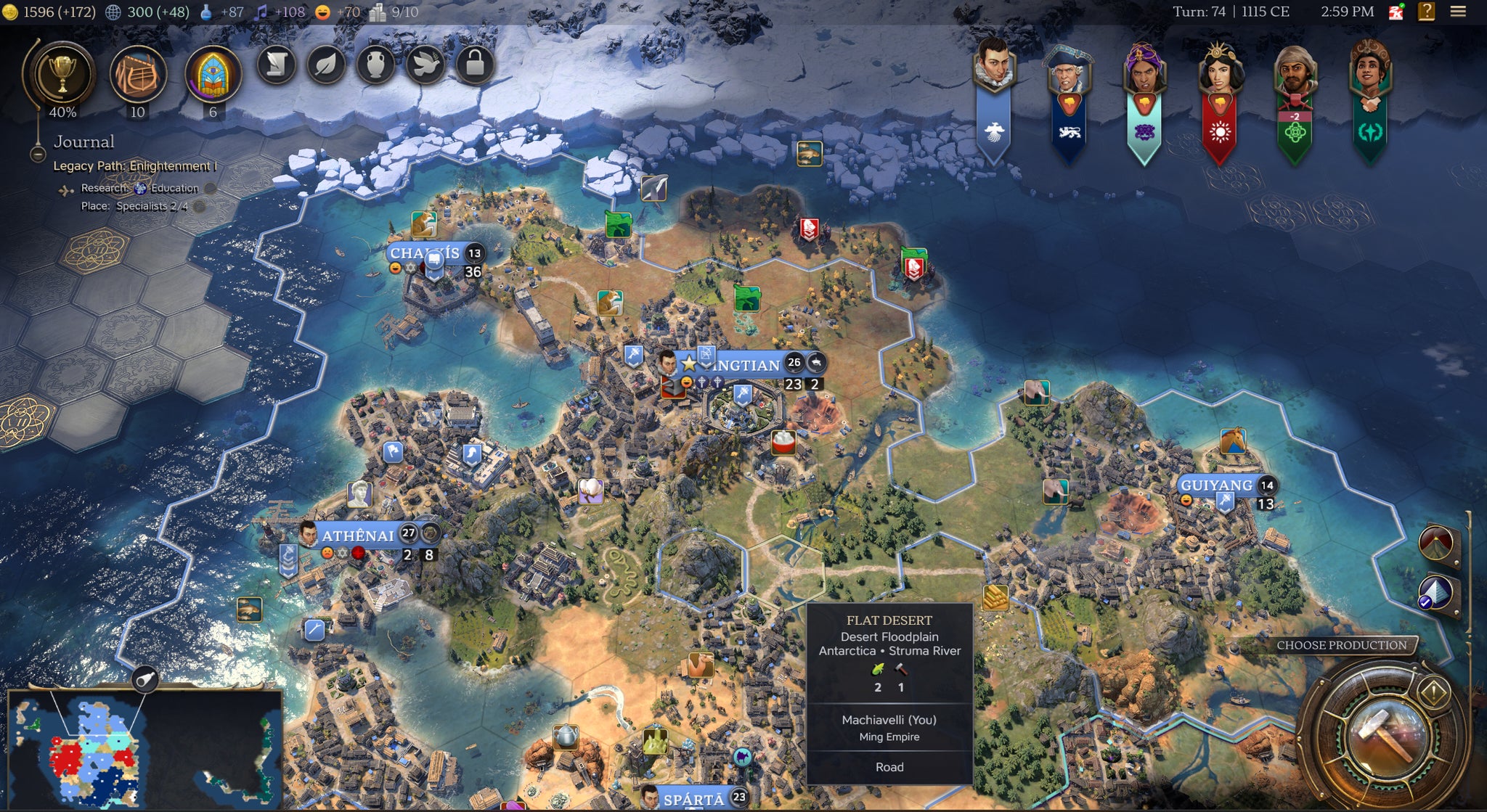
The progression system itself is undergoing a massive, welcome overhaul. The outdated Legacy Paths are being replaced by "Triumphs." These are optional, structured challenges linked directly to the six core Attributes of the game. They offer a much more focused and rewarding pathway to growth.
Triumphs range in complexity, from minor challenges offering instant, tactical benefits, to major triumphs. These major ones require focused investment and grant powerful Dedications that fundamentally shape the next Age. This makes player choice feel more impactful than ever.
Furthermore, the victory conditions have been completely revamped. Instead of a single, monolithic path to victory, each victory type now has its own dedicated, measurable score that must be accumulated. This makes the path to victory intensely measurable and strategic, giving players clear, segmented goals for their long-term play.
The combination of these mechanics means that the act of playing one civ whole campaign feels less like a linear progression and more like an unfolding, complex cultural saga. The revamped Civilization 7 victories ensure that whether you are conquering, scientifically dominating, or culturally spreading, the path remains uniquely challenging.
The sheer volume of interconnected systems—from Syncretism to the unique Time-Tested civic trees—means that even veteran players will find dozens of new, highly specialized strategies to master. The Civilization 7 Test of Time update promises to be one of the most mechanically robust and satisfying additions to the series in years.
Experts predict that the integration of Syncretism will lead to a renaissance in early-game diplomacy, forcing players to engage with neighboring civs much earlier in the timeline. We anticipate that the focus on dedicated victory scores will necessitate a tactical shift away from pure military might toward specialized, multi-pronged strategic development. The next major patch cycle is likely to include a deep dive into specific 'Time-Tested' civ mechanics, rewarding players who commit to specific playstyles.
Frequently Asked Questions
Does the Test of Time update affect existing Civ 6 campaigns?
No. The mechanics described, such as Time-Tested civs and Syncretism, are specific to the new structure introduced in Civilization 7. They do not alter previous game titles.
What is the primary difference between Triumphs and Legacy Paths?
Legacy Paths were generally overarching, less defined objectives. Triumphs are structured, optional challenges linked to specific Attributes, providing clear, measurable goals and powerful, Age-specific rewards.
Is the Syncretism mechanic useful for all victory types?
Yes. Because Syncretism allows for the acquisition of ideas from any culture, it provides a versatile resource that can boost science, culture, or military power, making it useful regardless of your chosen victory path.
Confirmed details first, useful context second. This is the quickest path to the source trail and the next pages worth opening.
Source date: May 20, 2026