Imagine pulling up to a rain-slicked curb in the fictional city of Emmerville, but instead of charging passengers three dollars for a ticket, you are hunting for a digital thumbs-up. It sounds like a satire of our social media-obsessed culture, but in Bus Bound, your entire career depends on that sweet, hit of dopamine known as the "like."
Why this matters: By stripping away traditional currency, the developers have fundamentally changed how players value their performance behind the wheel. In this Bus Bound Simulating a Like - Economy Commute, every smooth stop and perfectly timed signal isn't about the bottom line; it is about building a reputation in a city that runs on social capital.
The transition from monetary rewards to a "like-based" system is more than just a cosmetic swap. In most simulators, you hoard cash to buy a faster engine or a prettier coat of paint. Here, the Economy Commute is a social ladder. You drive your routes, manage your timing, and interact with the citizens of Emmerville to accumulate a following. If you drive like a maniac, your "likes" plummet, and the city districts literally stay closed to you. It is a high-stakes popularity contest played out at thirty miles per hour.
Emmerville and the Social Validation Loop
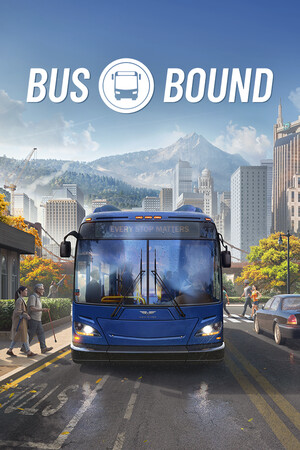
The core progression in Bus Bound is surprisingly addictive. You start with a modest line and a single bus, navigating the tight corners of the suburban sprawl. As you accumulate "likes" at various stops, you gain the influence necessary to upgrade the district infrastructure. This isn't just about your bus; it is about the city evolving around your service. When you hit a certain threshold of community approval, you gain access to the downtown core or the industrial docks, repeating the cycle with higher stakes and more complex routes.
Stillalive studios has managed to make the act of "Simulating a Like" feel tangible. You aren't just watching a counter go up. You see the city change. Higher approval ratings lead to cleaner stops, more passengers, and a general sense of vibrancy that was missing when the district was "unliked." It creates a psychological hook that traditional money-based sims often lack. You aren't a contractor; you are a local hero with a steering wheel.
Stillalive Studios Redefines the Commute
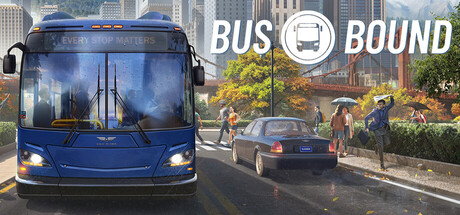
From a technical standpoint, the collaboration between stillalive studios and Saber Interactive has resulted in a remarkably stable experience. The art direction in Emmerville leans into a crisp, slightly idealized urban aesthetic that makes the mundane act of driving a bus feel cinematic. Light reflects off the asphalt during evening shifts, and the interior of the buses are rendered with a level of detail that makes you want to reach out and flip every toggle on the dashboard. The performance stability is a major win here, as frame drops in a precision-driving game can be a dealbreaker.
The gameplay loop is tight. You aren't just a driver; you are a route architect. You decide which stops are serviced and how frequently. Because the Bus Bound Simulating a Like mechanics are tied to passenger satisfaction, you have to balance efficiency with comfort. If you pack too many people into a single vehicle, the "likes" start to dip. If you skip a stop to make up time, the social media backlash in the game's UI is immediate. It is a constant balancing act that keeps the player engaged during even the longest shifts.
Saber Interactive’s Cooperative Chaos
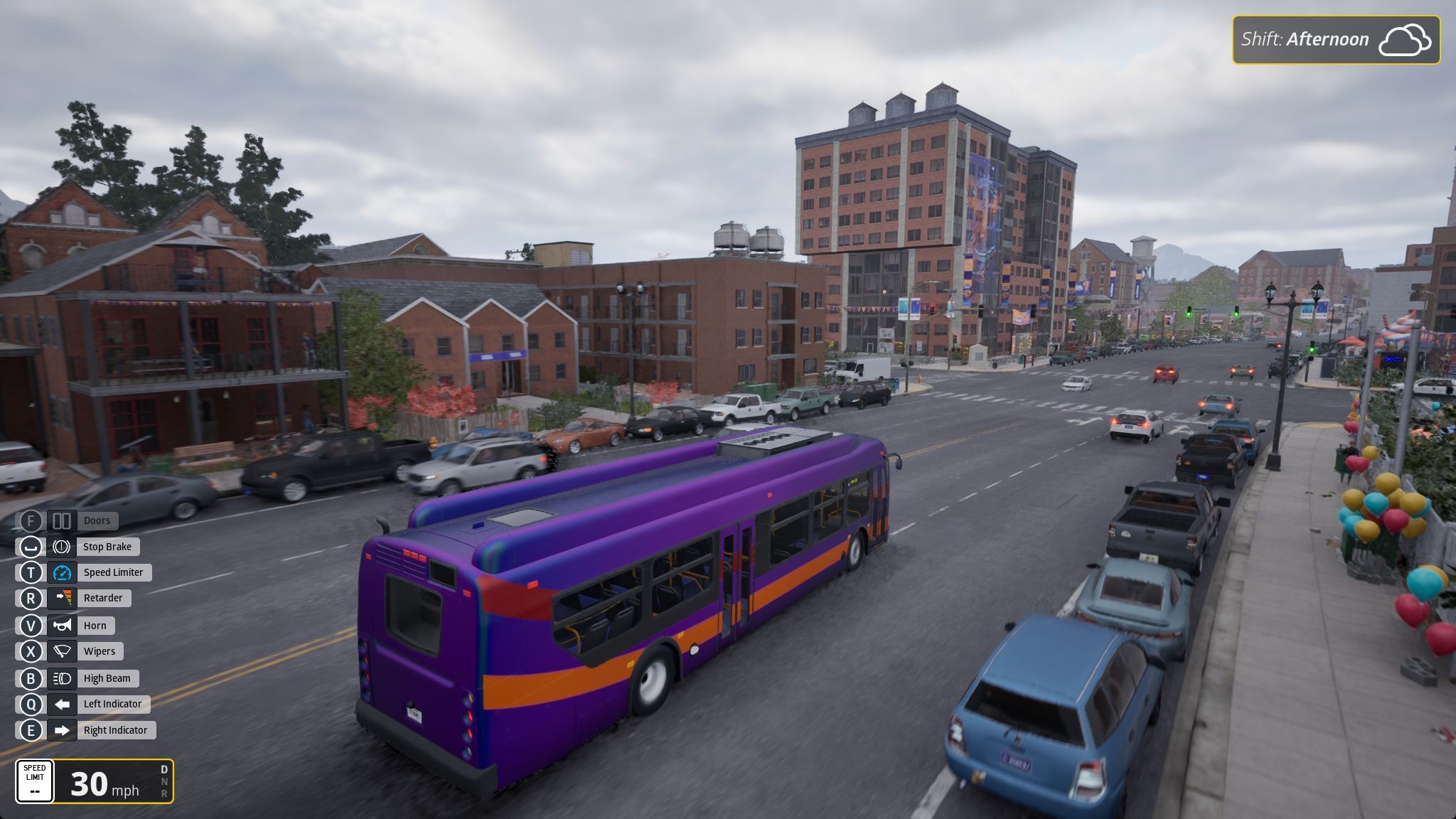
While driving solo is a zen-like experience, Bus Bound truly shines when you bring in the crew. The game supports online co-op for up to four players, allowing you to manage an entire fleet in real-time. One player can be the veteran driver on the heavy-traffic routes, while another manages the smaller feeder lines in the suburbs. The only catch is that progress is tied to the host’s save file, so choose your "CEO" wisely. Despite that limitation, the synergy of four buses working together to flip a district from "disliked" to "trending" is a highlight of the experience.
Beyond the multiplayer, the Multiplayer and Accessibility Features are some of the most robust we have seen in the genre recently. The developers have included a UI Scale slider that is a godsend for steam deck users or those playing on smaller mobile monitors. Color blind filters and comprehensive subtitle adjustments ensure that the "like-economy" is accessible to everyone. These aren't just afterthoughts; they are integrated into the core settings, showing a level of care for the player base that matches the game's own themes of community and service.
The shift to a non-monetary system might alienate simulation purists who want to manage spreadsheets of fuel costs and wages. However, for the vast majority of players, this change provides a much-needed breath of fresh air. It turns a job into a journey. You aren't just moving bodies from point A to point B; you are curating an experience for the digital citizens of Emmerville. Bus Bound proves that sometimes, a "like" is worth much more than a dollar.
The "like-economy" mechanic will likely become a blueprint for future simulators looking to move beyond traditional tycoon tropes. We expect the community to push the multiplayer limits, creating massive, coordinated transport networks that dominate the game’s social leaderboards. As post-launch content adds more districts, the complexity of maintaining a "viral" bus line will only increase the game's longevity.
Frequently Asked Questions

Frequently Asked Questions
Is Bus Bound worth it for solo players?
Yes, the single-player campaign offers a deep progression system through the like-economy that feels rewarding even without a crew.
Does multiplayer progress carry over for guests?
No, only the host's save file records the progression and district advancements during a co-op session.
What are the key accessibility features?
The game includes a UI Scale slider, specialized color blind filters, and adjustable subtitle sizes to accommodate different needs.
Confirmed details first, useful context second. This is the quickest path to the source trail and the next pages worth opening.
Source date: May 3, 2026
What did this story make you feel?
One tap. Instant feedback. Zero friction.