
The future of the Destiny franchise just changed forever. What happens when a legendary series hits its natural conclusion? According to recent reports, the end of the road for the beloved Destiny 2 is closer than many thought, signaling a massive strategic shift for Bungie.
What this means for players: The original era of Bungie's Destiny 2 shutdown plans is giving way to a complete pivot, forcing the development team to focus entirely on a brand new IP: the extraction shooter, Marathon.
Key Takeaways:
The End of an Era: Layoffs Loom for Destiny 2
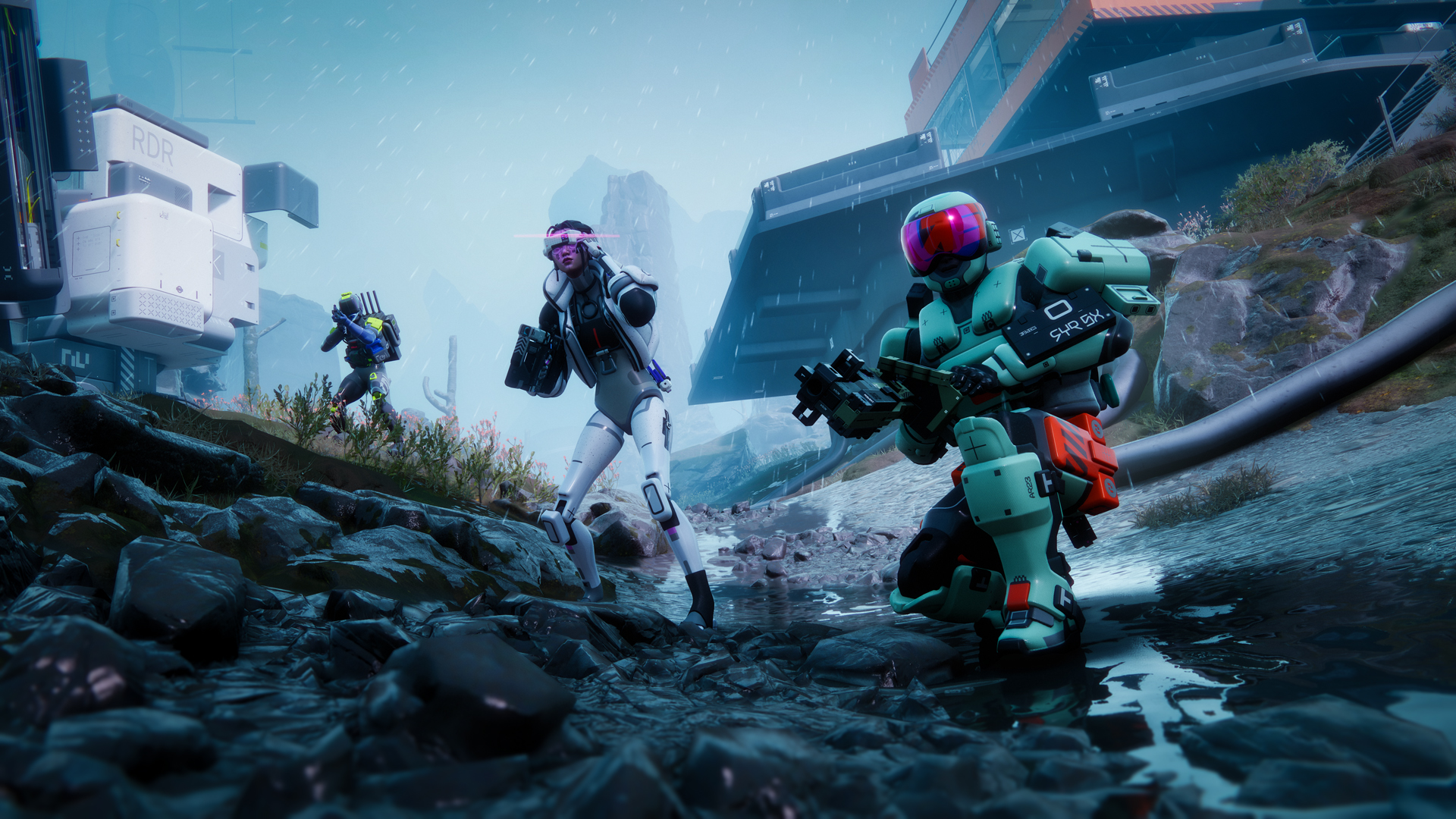
Whispers of a franchise conclusion have been circulating for months, but recent insider reports—including coverage citing Bloomberg—suggest that significant layoffs are imminent. This doesn't just signal a dip in content; it marks the formal conclusion of the main development cycle for Destiny 2.
The primary evidence points to a hard stop. Bungie is currently scheduled to deliver its Destiny 2 final content update June. This date doesn't just mark a patch release; it effectively signals the winding down of the core team dedicated to maintaining the Destiny 2 universe. While many fans and even some internal sources had hoped for a natural evolution into a Destiny 3, the current internal resources suggest otherwise.
The scope of the impact is huge. Despite the passion and commitment of the staff, there is currently no announced replacement project for the dedicated Destiny 2 team. This leaves the studio at a crossroads, forcing a dramatic and rapid reassessment of its entire development pipeline.
Bungie’s Strategic Pivot to Marathon
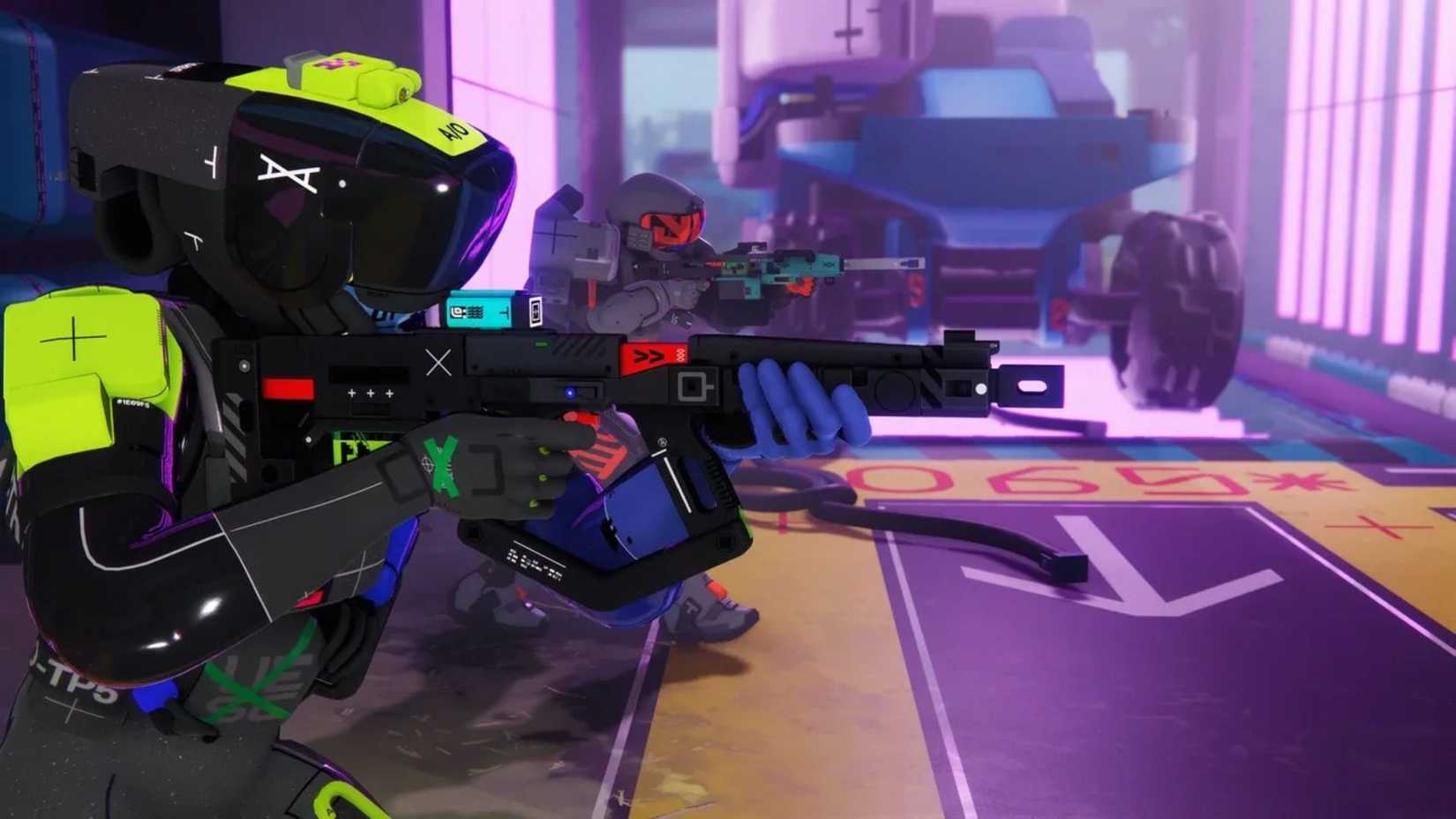
If the end of the line for Destiny 2 is inevitable, where does Bungie go? The answer is an extraction shooter called Marathon. This marks a clear, radical departure from the massive, sci-fi fantasy scope of Destiny. Reports indicate that Bungie is refocusing its development efforts entirely on Marathon, which first launched in March.
This isn't just a marketing shift; it's an internal resource reallocation. Several members of the former Destiny 2 team have reportedly been moved directly to work on Marathon. This move confirms a strategic decision: the company is prioritizing a new intellectual property (IP) over the continuation of its most famous franchise.
This pivot is also significant because it confirms the cancellation of planned spin-offs, such as 'Payback.' The message is clear: the future of Bungie rests on the success of Marathon, not on a grand, highly anticipated Destiny 3.
Why the Sudden Shift? Financial Context
The dramatic nature of this strategic pivot cannot be separated from the financial context surrounding Bungie. The entire shift follows Bungie's acquisition by Sony in 2022. Large corporate acquisitions often lead to brutal streamlining, and the Destiny IP has been no exception.
The financial pressure is visible in the books. Sony has already written $769 million off the value of the Destiny studio since the $3.6 billion acquisition. These massive write-downs indicate that the value of the Destiny brand, while historically powerful, is not currently supporting the level of development investment previously planned.
The complexity of managing a massive, open-world title like Destiny 2, while simultaneously developing and sustaining a new, entirely different genre like Marathon, proved too costly. The decision to abandon the Destiny 3 concept and focus on the new IP is a direct response to these financial realities and the need for a faster, more profitable path forward.
What Does the Destiny 2 Shutdown Mean for Players?
The implications of the Bungie Destiny 2 shutdown plans are profound, affecting not only the gameplay experience but the entire community infrastructure built around the game. For veterans, it means saying goodbye to a deeply interwoven narrative universe.
However, the situation also presents a chance to observe a major studio make a clean break from a legacy title. The resources, talent, and operational focus that were once spread thin across maintaining Destiny 2 are now concentrated on a single, new goal: making Marathon a success. This represents a significant change in the Destiny 2 layoffs and future landscape, moving the core competency away from expansive sci-fi shooter development.
Ultimately, while the loss of Destiny 2 is a major blow, Bungie's continued existence and pivot to Marathon demonstrate the company's ability to adapt. This strategic move is key to determining the Sony Bungie acquisition value moving forward, shifting focus from legacy IP maintenance to fresh, marketable content.
How Will Bungie Rebuild its IP Portfolio?
The cancellation of Destiny 3 and the pivot to Marathon forces Bungie to prove its viability in a new context. The studio must successfully establish Marathon as a standalone pillar of its future output. This requires a shift in creative focus—moving from narrative epics to tighter, more immediate gameplay loops.
The success of this transition will be the defining factor for Bungie in the coming years. The team must quickly establish a new rhythm and identity that satisfies both the corporate owners and the creative staff, all while dealing with the fallout of the massive restructuring.
The immediate future will see Marathon receiving the lion's share of development resources. We can expect accelerated content drops and a clearer vision for its longevity as the company sheds its focus on the Destiny universe. This strategic streamlining suggests a commitment to profitability over pure, expansive lore building.
Industry experts suggest that Marathon's success will depend heavily on its ability to maintain a dedicated player base without the massive draw of a flagship franchise. The company must prove that its talent can thrive on a single, focused title.
Given the financial write-downs, the next 12 months will be critical for demonstrating stable revenue streams outside of the Destiny ecosystem. If Marathon hits its marks, Bungie may stabilize its position; if not, the road ahead will be even more challenging.
Based on the current resource allocation, the next major Destiny-related announcement will likely focus on the integration of Marathon's mechanics into other potential IPs, rather than a full return to the Destiny formula.
The studio will likely need to prove that its foundational technology and team structure can support multiple, smaller-scale titles, rather than relying on one massive, continuous universe.
Frequently Asked Questions
Is the Destiny 2 shutdown permanent?
While the main development cycle for Destiny 2 is concluding with the June update, the shutdown plans suggest a shift away from new major content. The franchise's future is uncertain and depends heavily on the success of Bungie's new IPs.
What is the relationship between Destiny 2 and Marathon?
The two IPs are currently separate, but the internal resource reallocation suggests that some former Destiny 2 team members are being moved to Marathon. This indicates a strategic effort to reuse talent and technology across the new titles.
How did Sony's acquisition affect Bungie's development?
The acquisition led to significant financial scrutiny, evidenced by the write-down of the Destiny studio's value. This financial pressure has necessitated a major strategic pivot away from expensive, massive projects like Destiny 3.
Confirmed details first, useful context second. This is the quickest path to the source trail and the next pages worth opening.
Source date: May 22, 2026