Boruto's Exile: Understanding the Shift in Two Blue Vortex Manga
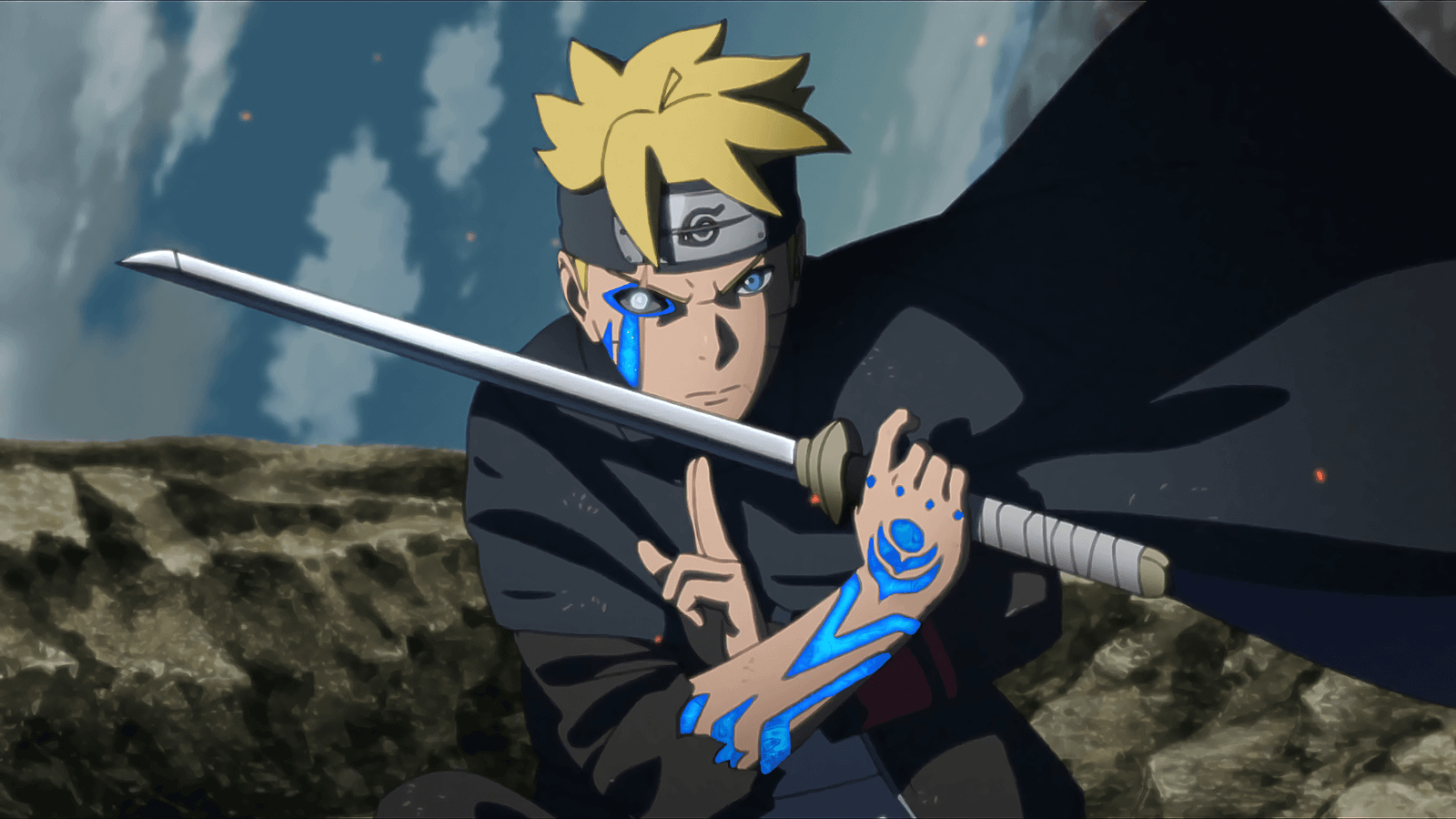
What happens when a hero is branded a traitor, forced to flee the very village he swore to protect? The premise of Boruto anime Part II Two Blue Vortex doesn't just raise the stakes; it detonates the entire status quo, ripping the familiar world of the ninja saga apart.
This narrative shift marks a profound change in the ongoing story, moving far beyond the initial setup of the Chunin Exams arc (Part I). Why this matters: The character's journey is no longer about mastering power, but surviving a deep, public betrayal. What this means for players: The focus shifts from team dynamics to solitary trauma, fundamentally changing how we view the legacy of the Seventh Hokage's son.
Betrayal and Exile Reshapes the Core Conflict

The core conflict driving Boruto anime Part II Two Blue Vortex is pure, raw betrayal. Boruto Uzumaki is no longer the central pillar of Konoha. Instead, he is running, forced into a state of exile, and branded by many as the villain. The accusations are severe: he is blamed for the deaths of his own parents, turning the once-bright trajectory of his life into a desperate struggle for survival.
This dramatic departure from the established flow of the original manga is jarring, forcing the characters—and the audience—to grapple with the consequences of actions taken in the name of protection. It is a massive narrative pivot that strips away the comfort of the "team" structure, making the stakes feel incredibly personal and immediate.
The New Guard: Creative Shifts and Kawaki's Role
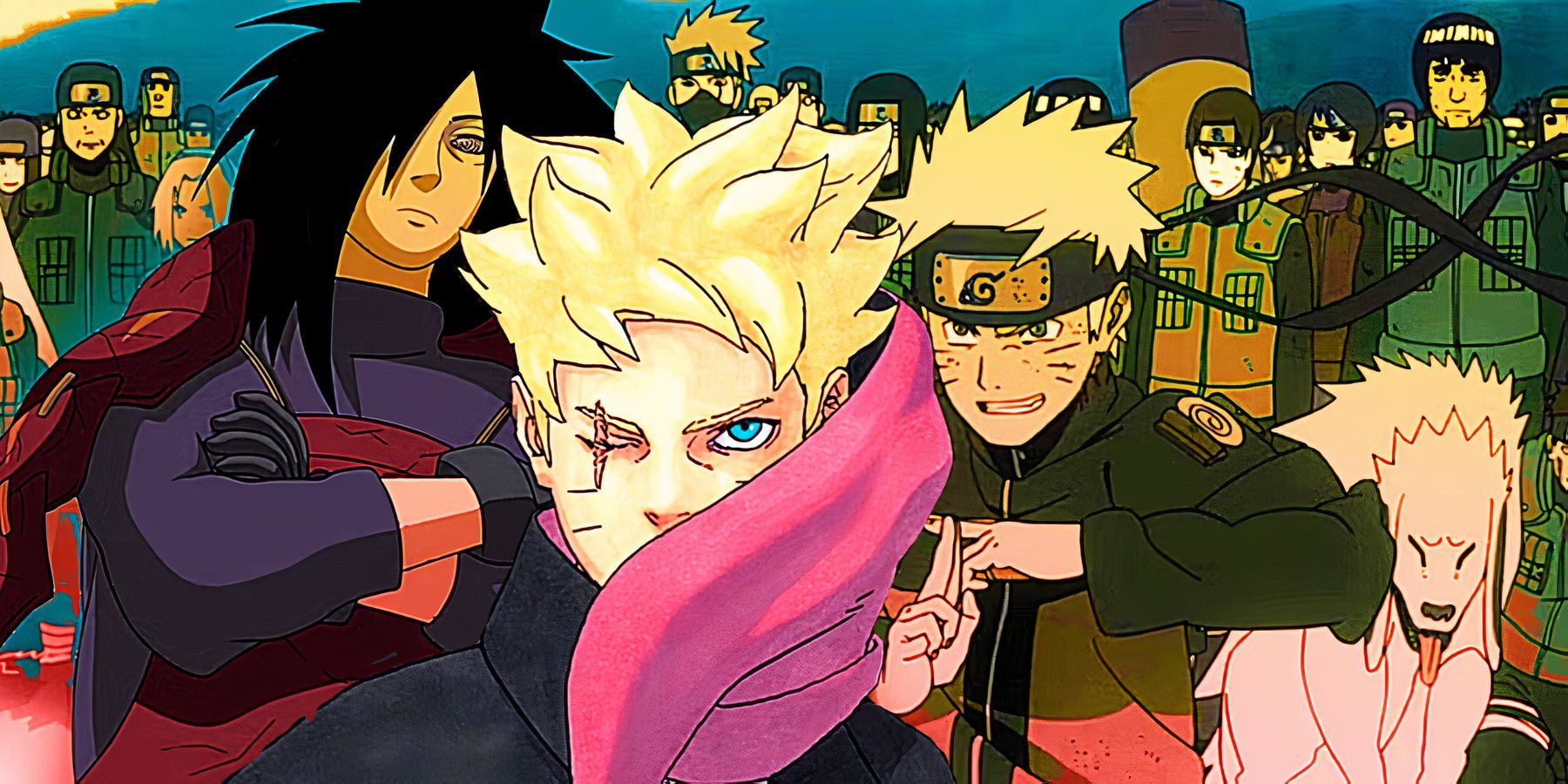
One of the most significant changes for long-time readers is the creative leadership. Mikio Ikemoto has taken over the illustrator role, serving as the final creative authority for the manga, particularly for *Two Blue Vortex*. This transition means the story benefits from a distinct artistic focus and narrative vision, moving the series into a new visual chapter.
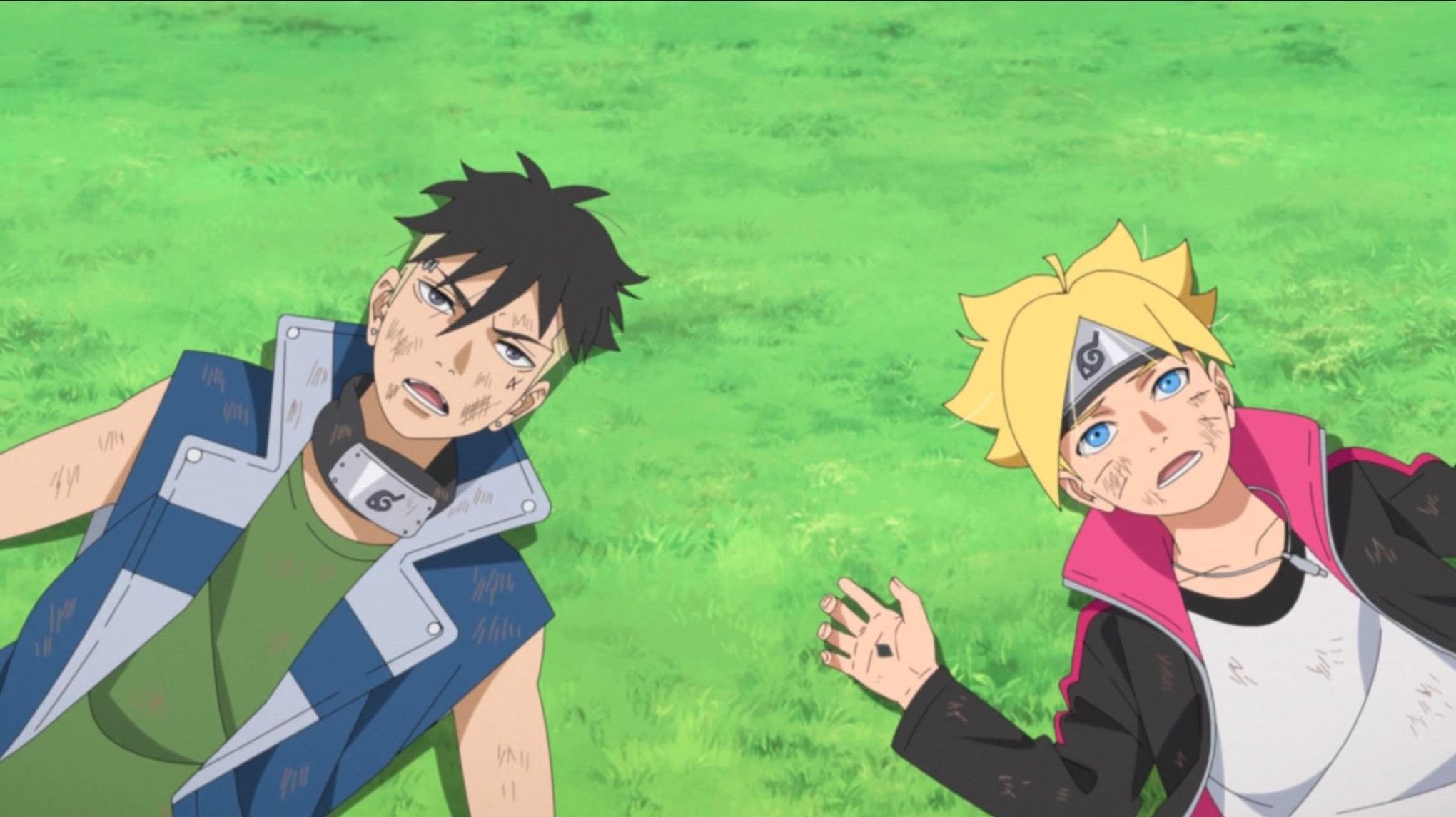
Crucially, the narrative dynamics are being heightened by the presence of Boruto’s adoptive brother, Kawaki. Kawaki is not just a side character; he acts as a tragic foil to Boruto, complicating the emotional landscape. The story frequently uses the switch of lives between the two brothers, deepening the sense of identity crisis and forcing both characters to confront their deepest fears about who they are.
Analyzing the Ninja Saga's Legacy and Future

The story continues the massive, generational legacy of Naruto, maintaining its position within Shonen Jump’s prestigious ‘Big Three’ lineup. With the manga celebrating its 10th anniversary on May 17, 2026, the narrative momentum is immense, demanding a high-stakes conclusion.
The emotional weight surrounding the characters is palpable. For readers who remember the intense conflict of the Boruto ninja team Chunin Exams, the current exile arc is a massive escalation. It demands a deeper understanding of the characters' inherent struggles, touching upon the themes of Boruto s childhood angst explained in ways that are far darker and more complex than previously seen. The rivalry between Boruto and Sasuke, previously explored in deep analysis, now carries the weight of life-or-death consequences.
The comparison to earlier story arcs, such as the intense action of the Boruto vs Sasuke fight analysis, shows that the narrative is continually raising the bar. The focus has moved from grand battles to psychological warfare, utilizing the trauma of the exile to drive the plot forward. The emotional depth surrounding Boruto s adoptive brother Kawaki is key here, as his own journey of finding belonging mirrors Boruto's loss of home.
The Path Ahead for the Ninja World
The story is clearly moving into a phase of reckoning. With the primary narrative centered on Boruto’s forced separation, the immediate focus must be on how he rebuilds trust and identity outside the protective walls of Konoha. The creative shift, coupled with the intense personal drama surrounding Kawaki, suggests that the next major arcs will be less about grand jutsu and more about emotional survival.
This makes the current storyline a critical point in the overall saga. The characters must not only overcome physical threats but also the lingering shadows of past mistakes, making the stakes feel impossibly high for both the characters and the dedicated fanbase.
We can expect the coming chapters to further explore the ethical ambiguities of power and belonging, solidifying Boruto anime Part II Two Blue Vortex as a pivotal moment in the franchise's history. The journey to reunification will be brutal, testing every bond formed over years of anticipation.
***
Expert Forecast: Given the current narrative trajectory, the next major manga chapter will likely focus on a confrontation that forces Boruto and Kawaki into a temporary, uneasy alliance. This will serve as a narrative bridge, allowing the author to re-establish the core conflict before a major reveal regarding the true circumstances of his parents' fate. The story’s momentum suggests that the next major release will provide definitive answers, but only after a final, high-stakes emotional gut-punch.
Frequently Asked Questions
What is the core difference between Part I and Two Blue Vortex?
Part I focused on the established dynamics of the village and the Chunin Exams, while Two Blue Vortex centers on Boruto's traumatic exile. The shift moves the focus from team success to personal survival and betrayal.
Will the manga maintain the high action quality of previous arcs?
While the narrative focus shifts to trauma and betrayal, the story remains part of a major action franchise. The new creative leadership is expected to maintain a high level of dramatic and visual intensity.
Is the timeline for the next major chapter release available?
The story is tied to the 10th anniversary of the manga, which is celebrated on May 17, 2026. Fans should monitor Shonen Jump for the most precise release schedule and updates.
Confirmed details first, useful context second. This is the quickest path to the source trail and the next pages worth opening.
Source date: May 17, 2026