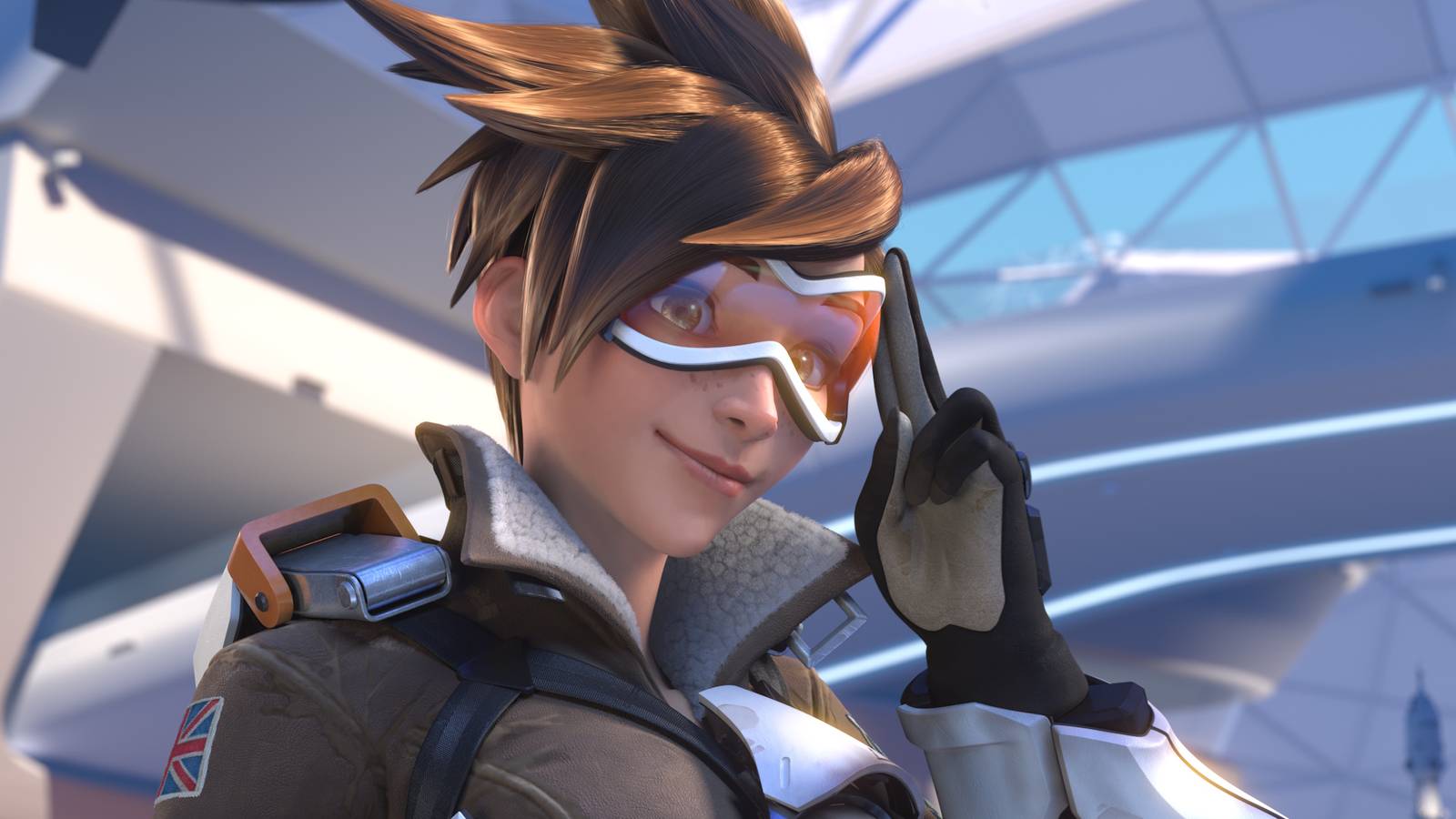
Overwatch's Arc: Blizzard's Hero Shooter Challenges and Future
Is the myth of the revolutionary hero shooter genre finally broken? For years, Blizzard’s title has defined a generation of competitive gaming, establishing a blueprint that few developers have since matched. But the longevity of the franchise—and the genre itself—rests on a shaky foundation built by intense community scrutiny and years of operational upheaval.
What this means for players: The next major update cycle must prove that Blizzard understands that the core issue isn't just adding new heroes; it's fundamentally rebuilding trust and addressing the deep-seated frustrations that have plagued the franchise for years.
- The genre's success is intrinsically linked to its fraught development history and controversies.
- Redemption requires more than content; it demands structural, long-term commitment to player experience.
- The current crossroads forces Blizzard to redefine the scope and scale of the hero shooter formula.
The conversation surrounding the franchise is less about mechanics and more about institutional stability. It's a monumental task to revitalize a beloved property while simultaneously managing the collective memory of intense community backlash.
The Shadow of Past Controversies
The narrative surrounding Blizzard's hero shooter is one of dramatic highs and deep troughs. The initial success established a gold standard, but the subsequent years brought periods of intense operational turmoil, content droughts, and shifts in player focus. The industry's perception of the genre, therefore, is heavily weighted by these past controversies.
The discussion centers on the historical arc of Blizzard's hero shooter, covering its initial successes and subsequent decline. When a game becomes a cultural touchstone, its failures are magnified. This creates a unique challenge: the path to revival must somehow acknowledge the full breadth of the *Overwatch development history* without being paralyzed by it.
The complexity of this history—including periods of intense community backlash and operational issues—means that any new direction must be meticulously planned. The genre's potential is undeniable, but the weight of past promises and unmet expectations is a genuine obstacle.
Overwatch's Hero Shooter Evolution and Scope
How can a franchise built on revolutionary mechanics evolve without losing its identity? The core debate is whether the genre can sustain its complexity and appeal to a modern, demanding player base. The early years of the genre proved that heroes and teamwork were paramount, but the industry has since seen massive shifts in player expectations.
The conversation now focuses on the potential for a redesign, moving beyond simply adding seasonal content. The initial formula worked, but the sheer scope of the game design—managing a massive roster of unique heroes, balancing complex interactions, and maintaining operational health—is a challenge few modern studios can replicate.
The focus must shift from simply *what* is being added, to *how* the entire ecosystem is being managed. Blizzard must demonstrate that their commitment to the player experience is structural, not just marketing-driven. This is where the evolution of the Blizzard hero shooter genre meets the reality of modern game development challenges.
Blizzard's Path to Redemption or Reinvention?
The industry is now watching for concrete plans that demonstrate genuine commitment to the player experience and the long-term health of the title. Revitalization cannot be achieved by simply rehashing old formulas or relying on nostalgia alone. The path forward requires a radical acknowledgment of core community criticisms.
For the franchise to succeed, Blizzard needs to prove it can maintain operational transparency and genuinely listen to the player base. This involves addressing the underlying issues that led to the initial decline, proving that the developer team is structurally aligned with the community's vision for the game.
The goal is not merely to launch a new season, but to establish a sustainable, healthy development cycle. The future success hinges on showing a genuine willingness to iterate, acknowledging that the *Overwatch development history* is a story of learning as much as it is one of triumphs.
Ultimately, the revival of this genre requires more than just a roster overhaul. It demands a commitment to stability and a clear roadmap that mitigates the risks highlighted by the genre’s complicated past.
Industry analysts suggest that future success will depend on whether Blizzard can pivot toward a more flexible, modular development model. They predict that the focus will shift from endless hero additions to deepening the experience of the existing core gameplay loops. The coming months will determine if the developers can finally marry their ambitious vision with the sustained operational excellence the genre requires.
Frequently Asked Questions
When is the next major content update planned?
While specific dates are subject to change, Blizzard has indicated a focus on significant seasonal content drops throughout the year. Players should monitor official developer channels for confirmed timelines.
How does the hero shooter genre compare to other competitive games?
The hero shooter genre emphasizes character uniqueness and coordinated team abilities, differing from tactical shooters that focus more on pure gunplay and movement. It requires mastery of both individual character skills and team synergy.
What does "Blizzard game development challenges" mean for players?
It refers to the complex issues of maintaining quality, managing massive live-service games, and adapting to evolving player expectations without sacrificing core gameplay integrity. It is a constant balancing act for the studio.
Confirmed details first, useful context second. This is the quickest path to the source trail and the next pages worth opening.
Source date: May 31, 2026