The return of the Dark Knight’s earliest years has arrived with a sudden, jarring impact. For over a decade, Batman: Arkham Origins existed in a peculiar purgatory, often dismissed as the "other" Arkham game because it lacked the Rocksteady Studios pedigree. However, the recent release of the Batman: Arkham Origins remaster has reignited a fierce debate within the gaming community, turning a forgotten prequel into a lightning rod for modern industry critiques. While the official update promises a cleaner look at Bruce Wayne’s formative nights, the simultaneous rise of high-end community modifications is challenging the very definition of what a "remaster" should be in 2024.

Arkham Origins Returns After A Decade
The decision to revisit this specific chapter of the caped crusader’s history is bold. When the game originally launched in 2013, it was met with a shrug by critics who felt it played it too safe with the established formula. Fast forward ten years, and the landscape has shifted. The remaster attempts to bridge the gap between seventh-generation limitations and current-gen expectations. Fans are currently split down the middle. One camp views this as a necessary preservation of a misunderstood gem, allowing a new generation to experience the intense boss battles and snowy atmosphere of a younger Gotham. The other camp remains skeptical, questioning the relevance of a decade-old title when the industry is moving toward more ambitious, interconnected universes.
The controversy isn't just about the game itself, but the timing. In an era where remakes like Resident Evil 4 or Dead Space set a high bar for visual overhauls, the Arkham Origins remaster feels more like a polish than a reconstruction. This has led to a fragmented reception. Some players are reporting that the performance boosts on modern consoles finally do justice to the game’s aggressive combat system. Others argue that the core mechanics feel dated compared to the fluidity of later entries. It is a clash between nostalgia and the relentless march of technical progress. The game is no longer fighting for sales; it is fighting for its place in the canon.
Advanced Graphics Mod Transforms Batman Visuals
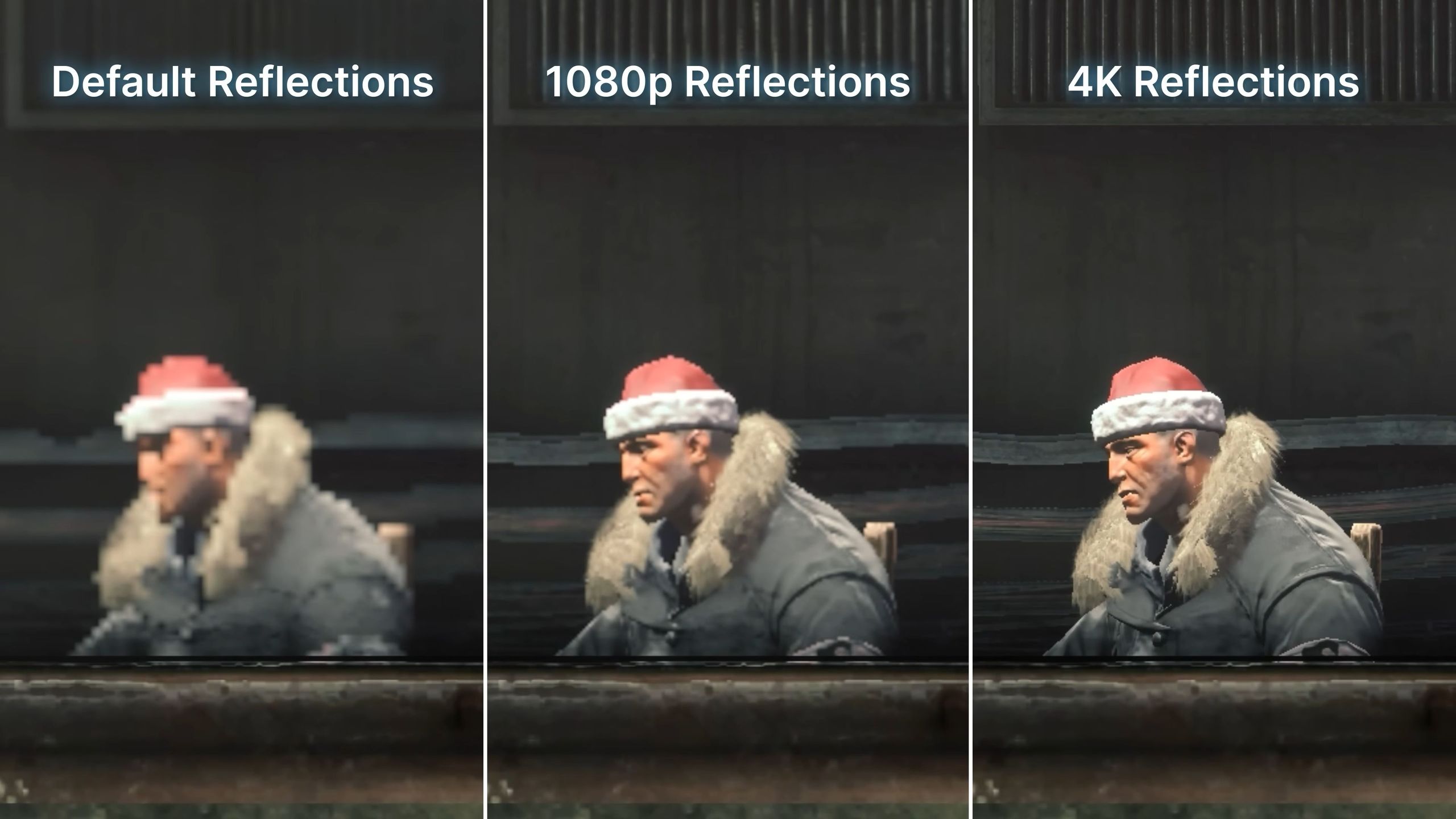
While the official remaster handles the heavy lifting on consoles, the PC modding scene has taken matters into its own hands with surgical precision. The release of the Arkham Origins Advanced Graphics mod version 2.0 has effectively moved the goalposts for visual fidelity. This isn't a simple Reshade preset. The update introduces a comprehensive overhaul of the game’s texture pipeline and lighting engine. Modders are reporting significant improvements in how light interacts with Batman’s suit, moving away from the flat lighting of the original and toward a more cinematic, high-contrast aesthetic that mimics modern ray-tracing techniques.
Technical enthusiasts are specifically praising the version 2.0 update for its focus on high-resolution texture parity. Every brick in the Bowery and every flake of snow falling over the Pioneers Bridge has been touched by this community-driven effort. The modding team behind this update has utilized AI upscaling combined with manual retouching to ensure that the 4K experience doesn't lose the gritty, noir-inspired art direction that defined the original release. It is a rare instance where the community’s technical ambition seems to outpace the official studio’s mandate. For many PC players, the mod isn't just an addition; it is the definitive way to play the game, rendering the official remaster almost secondary.
WB Games Navigates Fragmented Fan Expectations
The pressure on WB Games to get this right is immense. The Arkham franchise remains one of the most valuable properties in the publisher's portfolio, yet the handling of its legacy has been inconsistent. By releasing this remaster, WB Games is testing the waters for how much "Arkham" the public still wants. The mixed reactions highlight a growing fatigue with the remaster trend. Fans are demanding more than just a resolution bump; they want meaningful quality-of-life improvements. The lack of certain features in the official remaster, which are ironically present in the Advanced Graphics mod, has created a PR hurdle that the publisher must now clear.
This situation exposes the widening rift between corporate release cycles and community-led development. When a small group of modders can significantly enhance a game’s visual core, it puts the official developers in a difficult position. The narrative surrounding Arkham Origins is no longer just about Bruce Wayne’s first encounter with the Joker; it is about the accountability of major publishers to provide value that exceeds what fans can create for free. The "relevance" question persists. If the game is only relevant because of the work done by the modding community, what does that say about the official product's longevity?
Modern Hardware Meets Gotham City Legacy
Despite the friction, there is no denying that the game looks better than ever on high-end hardware. The Advanced Graphics mod version 2.0 leverages modern VRAM capacities to push assets that would have melted a 2013-era GPU. We are seeing a synergy between old-school level design and new-school rendering techniques. The combat, which was always the game’s strongest suit, feels revitalized when running at a locked 144Hz with revamped particle effects. The visceral nature of the "Shock Gloves" and the weight of the cape are amplified by the improved lighting, making the experience feel surprisingly contemporary.
Ultimately, the dual release of an official remaster and a massive mod update has turned Batman: Arkham Origins into a living laboratory for game preservation. It proves that a game’s life doesn't end when the sequel comes out. Instead, it evolves through a constant tug-of-war between the people who own the IP and the people who play the game. Gotham City is being rebuilt, one pixel at a time, by two very different architects. Whether you prefer the official stability of the remaster or the bleeding-edge visuals of the mod, the result is the same: a decade later, the black sheep of the family is finally getting the attention it was denied at launch.
The industry will likely see a surge in community-led "remasters" that outpace official corporate releases in technical depth. Batman: Arkham Origins will serve as the primary case study for how legacy titles can find second lives through aggressive modding support. Expect major publishers to eventually integrate these high-fidelity fan modifications into official storefront updates to maintain brand relevance.
Tags : #BatmanArkhamOrigins #GamingControversy #RemasterUpdates #ModCommunity #VideoGameNews
Confirmed details first, useful context second. This is the quickest path to the source trail and the next pages worth opening.