The landscape of isometric role-playing games is undergoing a significant tectonic shift with the confirmed pivot of Baldur's Gate 3 away from the classic Real-Time with Pause (RTWP) combat system that defined its spiritual predecessors, Larian Studios' recent titles, and the original Black Isle era. This transition to a strictly turn-based framework has ignited a fervent, often polarized, debate among long-time fans and industry veterans regarding the future viability and inherent strengths of both tactical approaches.
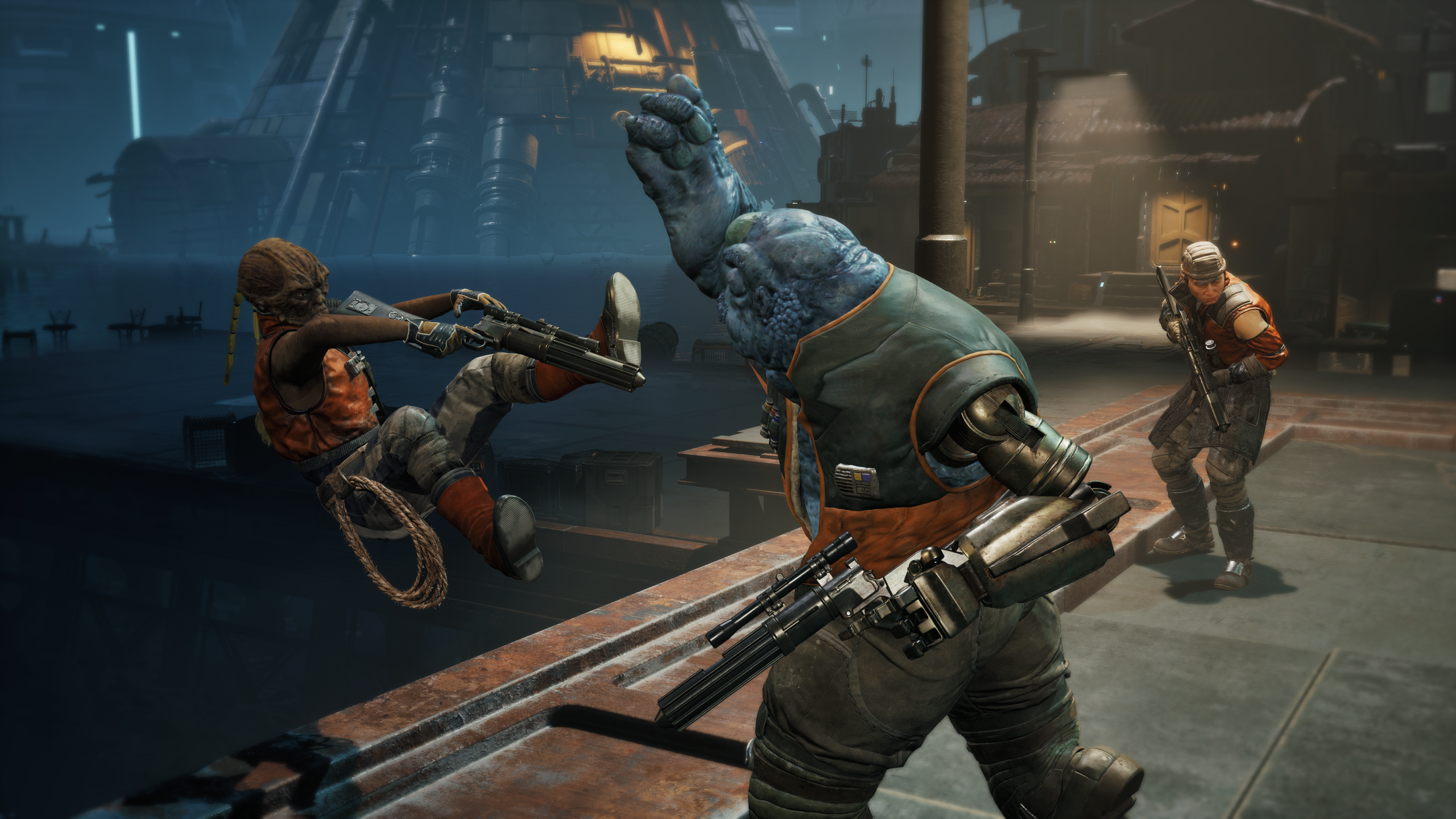
Baldur's Gate 3 Adopts Turn-Based Combat
The decision by Larian Studios to fully embrace turn-based mechanics marks a clear departure from the chaotic, yet often exhilarating, micromanagement inherent in RTWP. This move positions Baldur's Gate 3 more closely aligned with the mechanics of the Dungeons & Dragons 5th Edition tabletop ruleset it is adapting, prioritizing deliberate tactical positioning and action economy over reactive speed. While this offers clarity and precision, it simultaneously alienates a segment of the player base accustomed to the constant flow of combat favored by games like Baldur's Gate II or Pillars of Eternity.
Industry observers are closely monitoring this high-profile shift. James Brawley, lead designer at Star Wars Zero Company and a noted proponent of RTWP design philosophy, offered perspective on the industry trend. Brawley acknowledges that the turn-based approach may well become the dominant paradigm for large-scale CRPG development moving forward, particularly given the complexity of modern character builds and spell interactions. However, his commentary suggests a cautious optimism regarding the longevity of RTWP, hinting that the system's potential has yet to be fully unlocked by contemporary design teams.
James Brawley Addresses Pacing Challenges
Brawley pinpointed the historical friction points that plagued earlier attempts at purely turn-based tactical experiences. The primary obstacle, he suggests, lies in pacing. Older turn-based tactical games often suffered from protracted wait times between player actions, demanding a level of patience that modern, action-oriented audiences may be unwilling to commit. This slow cadence, while strategically rewarding, created valleys in engagement that developers struggled to smooth out.
The adaptation curve for certain demographics is another area of concern Brawley raised. Players migrating from the fast-paced environments of real-time strategy games or the highly structured, often menu-driven combat of many Japanese Role-Playing Games (JRPGs) might find the mandatory pauses and strict action limitations of a pure turn-based system jarring, potentially leading to initial frustration rather than immersion.
The core tension rests on whether the tactical depth gained by turn-based structure outweighs the loss of real-time kinetic energy that many players associate with the Baldur's Gate brand identity.
The Future of Real-Time with Pause
Despite the current industry momentum favoring deliberate, discrete turns, Brawley remains resolute in his belief that RTWP is far from a dead genre. He posits that the unique design space occupied by RTWP—the simultaneous management of multiple character states under time pressure—offers a level of emergent gameplay that turn-based systems intrinsically limit. Brawley expressed confidence that a visionary developer will eventually craft a groundbreaking title that redefines the RTWP model, overcoming the pacing issues that have historically held it back.
This potential future title would need to innovate beyond simple pausing, perhaps integrating asynchronous environmental reactions or more intelligent party AI to manage micro-decisions, thereby freeing the player for macro-strategy. The industry awaits a demonstration that RTWP can evolve to meet modern expectations without sacrificing its core appeal of simultaneous action.
The industry consensus suggests that Larian’s choice validates the current design zeitgeist favoring measured tactical execution over reactive speed.
Nevertheless, Brawley forecasts that dedicated studios will continue to push the boundaries of simultaneous combat mechanics in the coming years.
The next major RTWP success will likely fuse deep simulation elements with streamlined interface solutions to manage combat complexity.
Tags : #BaldursGate3 #TurnBasedCombat #RTWPDebate #GamingNews #StrategyGames
Confirmed details first, useful context second. This is the quickest path to the source trail and the next pages worth opening.