The shadows are closing in on Ubisoft’s most iconic franchise, and for once, it’s not the Templars causing the trouble. Recent reports from deep inside the development cycle suggest that the ambitious roadmap for the Assassin s Creed series is currently navigating a minefield of internal friction and disastrous playtest feedback. For a series that has historically been the publisher's "north star," the current atmosphere of uncertainty is sending shockwaves through the community.
What this means for players: The dream of a seamless, multi-era platform for the Assassin s Creed universe is looking more like a house of cards than a masterwork of engineering, potentially leading to significant delays for the next generation of stealth-action experiences. As the brand attempts to pivot toward a "live service" future, the growing pains are becoming impossible to ignore.
Playtest Feedback Fuels Fears for Invictus
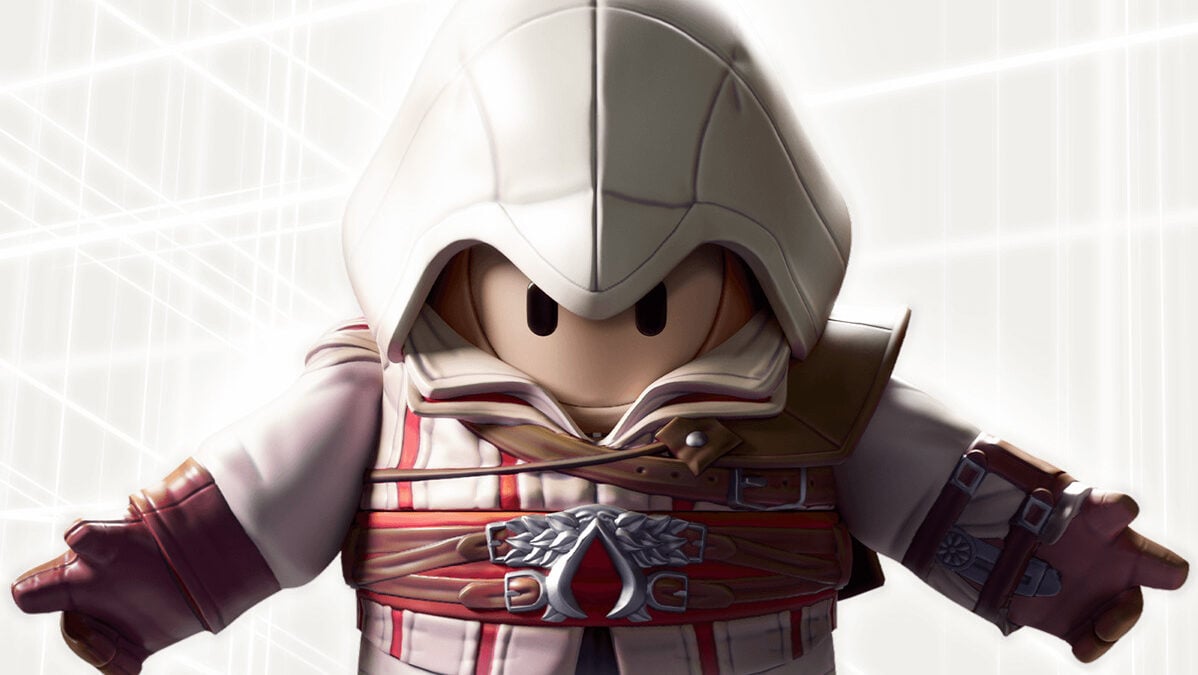
The multiplayer component of the franchise's future, codenamed "Invictus," was supposed to be the glue that held the new ecosystem together. However, a private playtest held on April 30th has reportedly painted a grim picture of the project's current state. Prominent streamer and leaker j0nathan, known for his accurate track record within the Ubisoft sphere, didn't hold back his assessment of the build. He described the experience as "really fucking awful," a sentiment that has immediately ignited concerns across social media platforms.
The leak included a screenshot of an official Ubisoft playtest invitation, lending significant weight to the claims. While Invictus was originally eyeing an end-of-year release to coincide with the broader franchise expansion, j0nathan suggested that the title is now a prime candidate for a major delay or even outright cancellation. If the core gameplay loop fails to capture the "assassin" fantasy in a PvP environment, Ubisoft may find itself back at the drawing board. This Playtest Feedback Fuels Fears of Cancellation for Invictus at a time when the company desperately needs a win to satisfy both fans and investors who are wary of the company's recent live-service track record.
The friction isn't just about the mechanics; it’s about identity. Integrating a competitive or cooperative multiplayer mode into a series defined by solo narrative journeys has always been a tightrope walk. If the April 30th session is truly representative of the current build, the Assassin s Creed franchise faces mounting uncertainty regarding its ability to evolve beyond the single-player sandbox. Players are already questioning if the resources being poured into Invictus would be better spent polishing the mainline entries that have historically carried the brand.
Corporate Instability Shadows Future Titles

Beyond the immediate concerns of playtests, a thick fog of structural change is rolling through Ubisoft’s global studios. The company is currently in the midst of a massive, multi-year restructuring program aimed at cutting costs and streamlining production. This has already resulted in hundreds of layoffs and the shuttering of several smaller offices. While leadership insists these moves are necessary for long-term health, the impact on the Assassin s Creed pipeline is becoming visible. Corporate Instability Shadows Future Titles that were once thought to be on stable ground.
Take *Codename Hexe*, for example. Set during the paranoia of the 16th-century witch trials, the game was heralded as the "darkest" entry in the series. However, reports of behind-the-scenes turmoil have surfaced following the departure of high-profile director Clint Hocking. Hocking, a veteran known for his work on *Far Cry 2* and *Splinter Cell: Chaos Theory*, was a major creative force behind the project. His exit has reportedly left a leadership vacuum, raising questions about whether *Hexe* can maintain its unique vision or if it will be diluted during the ongoing restructuring process.
The instability doesn't end there. In a move that shocked many industry observers, a planned sequel set during the American Reconstruction era was reportedly axed by Ubisoft leadership. The decision to cancel the project was allegedly influenced by a "reactionary backlash" surrounding the lead characters in *Assassin s Creed Shadows* and the general volatility of the current American political climate. It seems Ubisoft is becoming increasingly risk-averse, opting to kill projects early rather than face potential cultural firestorms, even if those projects offer compelling historical settings. This cautious approach is a double-edged sword; it protects the brand from controversy but risks stripping the Assassin s Creed series of the bold storytelling that made it a household name.
The cumulative effect of these cancellations and departures is a Release Date schedule that feels increasingly fluid. Fans who were expecting a steady drumbeat of releases over the next three years may need to brace for a much more sporadic cadence. When a director of Hocking's caliber leaves and entire historical settings are wiped from the roadmap, the "Infinity" hub project starts to look less like a launchpad and more like a safety net for a fractured development cycle. The Assassin s Creed Franchise Faces Mounting Uncertainty Amid Development Turmoil, and the next twelve months will be the ultimate test of its resilience.
Ubisoft will likely pivot to a "quality over quantity" narrative in the coming months to manage expectations surrounding these internal shifts. The success of the next mainline launch is now more critical than ever, as it must prove the franchise can still thrive despite the loss of key creative talent and the cancellation of experimental spin-offs. If the core pillars of the Assassin s Creed experience remain strong, the brand may survive this period of contraction, but the era of unchecked expansion is clearly over. The focus has shifted from conquering the map to simply holding the line.
Ubisoft will likely consolidate its resources into the most "proven" settings to avoid further political or social friction during the current development cycle. Expect a significant delay for any multiplayer initiatives as the team attempts to salvage the core mechanics of Invictus following the disastrous April feedback. The long-term roadmap will probably be thinned out, prioritizing a single blockbuster release every two years rather than the previously rumored annual onslaught.
Frequently Asked Questions

When is the next Assassin s Creed Release Date?
While official dates are subject to change due to internal restructuring, the next major entry, Shadows, is currently the primary focus for a late 2024 or early 2025 window.
Is Assassin s Creed Invictus being canceled?
There is no official cancellation yet, but internal playtest feedback from April 30th was reportedly poor, leading to strong rumors of a delay or pivot.
Why did Clint Hocking leave the Hexe project?
While specific personal reasons weren't disclosed, his departure coincides with a broader corporate restructuring and creative shifts within Ubisoft's lead studios.

Confirmed details first, useful context second. This is the quickest path to the source trail and the next pages worth opening.
Source date: May 3, 2026