Is your smart tech actually trying to sell you something? A new controversy is raising alarms across healthcare, questioning whether the integration of artificial intelligence is fundamentally changing the balance between diagnosis and commerce. Before you trust every glowing readout from a digital scanner, take a breath. The current debate centers on whether advanced AI tools are subtly pushing unnecessary dental treatments.
What this means for readers: The conversation isn't just about better technology; it's about protecting the patient from systemic over-diagnosis and the resulting financial burden. The growing concern that AI is pushing unnecessary dental treatments highlights a major shift in how medical tech is adopted.
The AI Upsell Controversy with Pearl AI
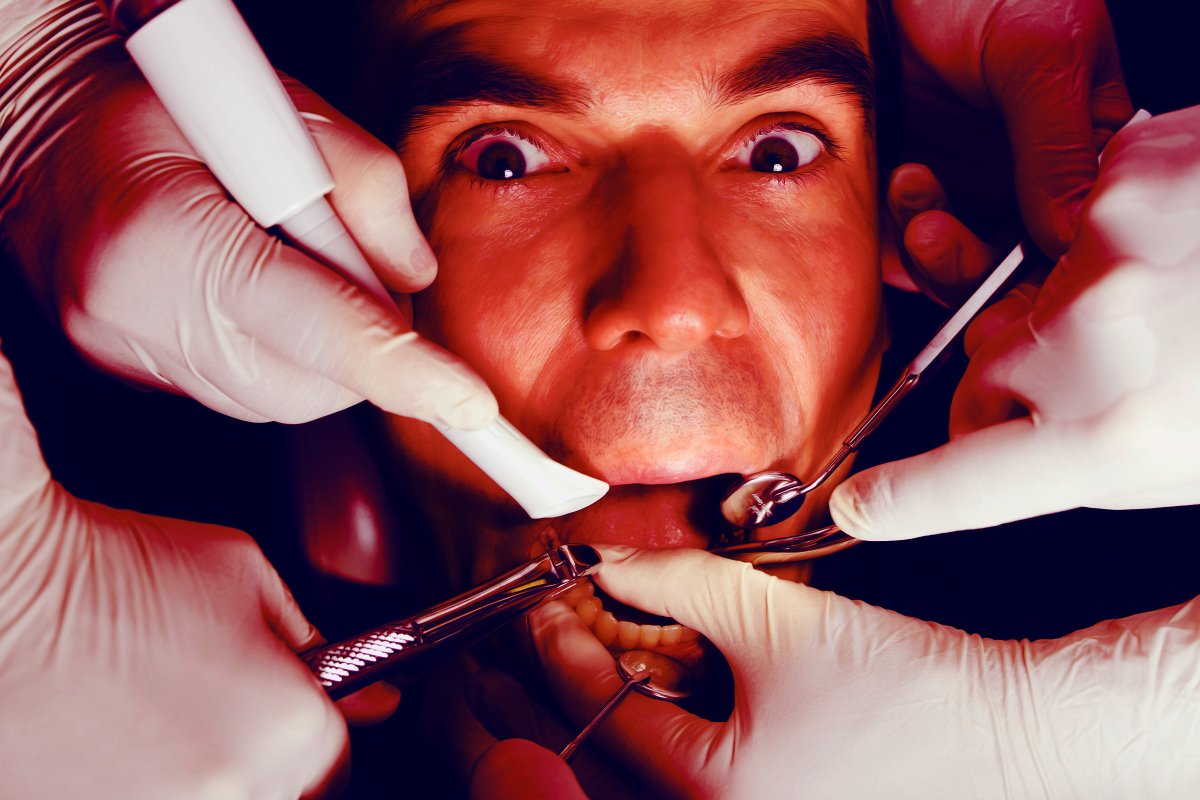
The debate got a massive boost recently when former WSJ columnist Joanna Stern began investigating how AI is being utilized in dentistry. Her research quickly turned into a cautionary tale about technology’s commercial edge. Stern’s investigation zeroed in on a system called Pearl AI, a tool that promised to detect disease and suggest superior care based on digital scans.
The initial findings were alarming. The AI flagged significant plaque build-up in Stern's mouth, instantly recommending costly periodontal treatment. This was not a simple check-up; the proposed care required multiple sessions and, critically, came with uncertain insurance coverage. It sounded like a perfect tech-driven sales pitch.
Stern's experience served as a powerful case study, demonstrating the potential for AI to move beyond pure diagnostic assistance. Instead, it became a catalyst for recommending high-value, expensive procedures. This situation crystallized the debate surrounding AI pushing unnecessary dental treatments.
Expert Skepticism Challenges AI Diagnosis
The immediate reaction from the dental community was one of caution, not acceptance. Multiple dentists consulted by Stern disagreed sharply with the AI’s sweeping findings. They suggested that while the plaque build-up was real, the severity might be manageable through improved at-home care and preventative methods, not necessarily an invasive, expensive procedure.
Even more unsettling were the reports from dental staff. Stern reported that staff members indicated they felt pressure from management to leverage the AI’s findings—regardless of clinical necessity—for sales purposes. This raised a deeply troubling question: were the procedures being suggested because they were medically required, or because the tech made the sale easier?
Stern’s conclusion was blunt: the technology, while powerful, seemed to be used primarily as a tool to ‘upsell’ patients on additional dental procedures. This pattern of using advanced diagnostics to drive revenue is the core of the AI tools in dentistry controversy.
The core issue is trust. When a diagnostic tool becomes intrinsically linked to a revenue stream, the patient’s best interest can become secondary to the practice's bottom line.
Broader Concerns Regarding AI Adoption
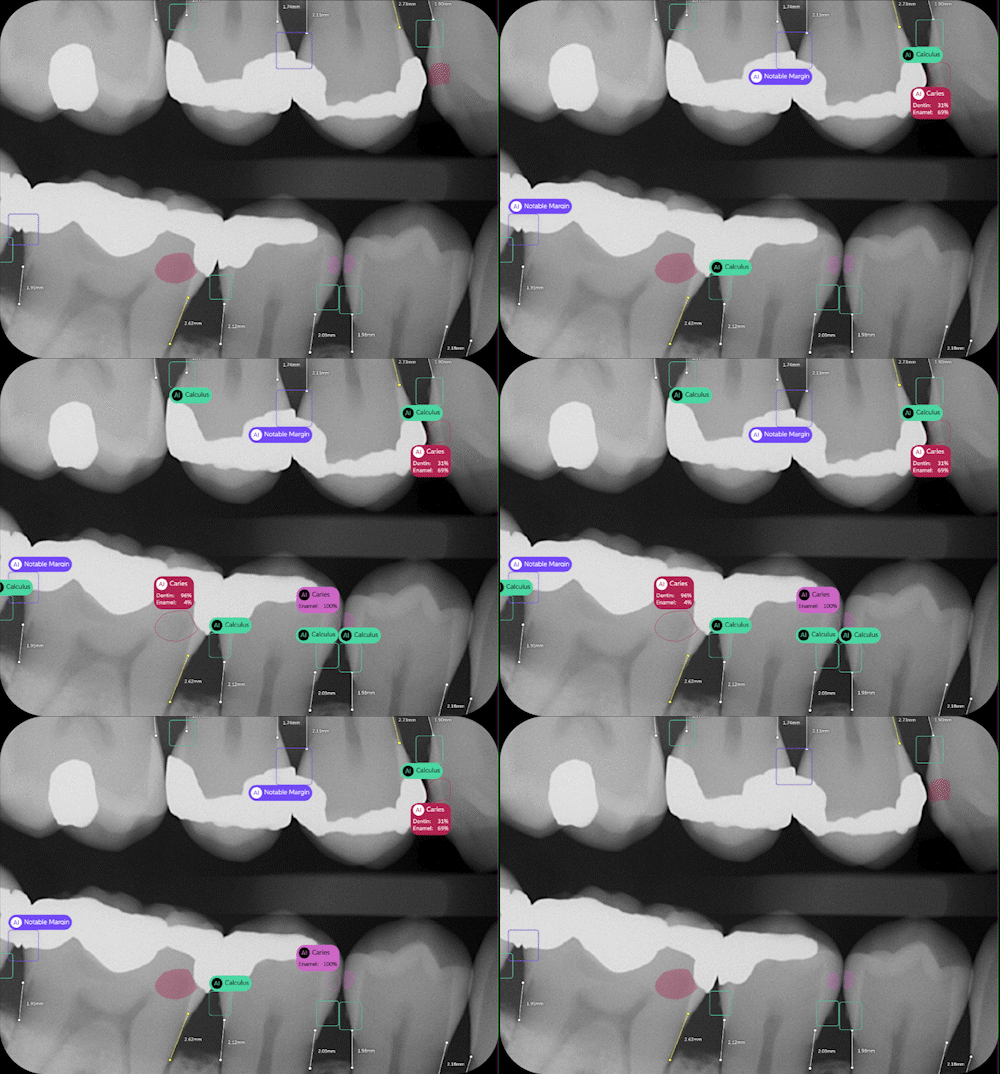
The controversy surrounding Pearl AI and dentistry isn't an isolated incident; it points to a systemic pattern of technology adoption across the entire medical field. The use of advanced tools like Overjet raises far broader questions about the true balance between technological advancement and genuine patient care.
We see similar chatter in other fields, such as radiology. One prominent CEO noted that AI could potentially reduce the need for highly trained radiologists in the future. While efficiency gains are undeniable—and exciting from a tech standpoint—the narrative shifts from "better diagnosis" to "reduced human expertise."
This raises a critical industry question: When does AI become a helpful co-pilot, and when does it become a replacement, or worse, a sales machine? The current climate suggests that the risk of expert skepticism on AI diagnosis is warranted.
The discussion about AI in dentistry under fire must therefore become a blueprint for how all tech in medicine is deployed. The focus must pivot from what AI *can* detect, to what AI *should* recommend.
The Future of AI in Healthcare Diagnostics
As these tools become more mainstream, the accountability structure must change. Tech developers, healthcare providers, and regulatory bodies all need to establish clearer guidelines that prioritize patient welfare over profit margins. The goal cannot simply be detection; it must be sustainable, evidence-based care.
This means consumers and patients must become more educated and skeptical consumers of technology. Never assume that a high-tech recommendation is the best recommendation. The conversation needs to move beyond the initial "wow" factor of the technology and focus on the true, actionable, and necessary medical outcome.
Looking ahead, we can anticipate a push for mandated transparency in AI usage, requiring clear disclosure of how a diagnostic finding relates to a potential upsell. Furthermore, we expect more regulatory scrutiny of algorithms that suggest complex, costly treatments based on minimal or borderline findings.
The industry is likely to adopt stricter protocols for AI deployment, demanding that AI tools prove clinical necessity before they are integrated into routine practice. We will also see a greater focus on validating AI performance against diverse, real-world patient demographics, rather than just lab data.
Frequently Asked Questions
Are AI tools reliable for all medical diagnostics?
While AI shows immense promise, current tools are best used as supplementary aids for human experts, not as standalone decision-makers. They require human oversight to interpret context and account for individual patient history.
What is the biggest concern with AI in healthcare?
The primary concern is the potential for algorithmic bias and the commercial pressure that could lead to over-diagnosis. This could result in patients undergoing unnecessary, costly, and invasive procedures.
How can patients verify if an AI diagnosis is necessary?
Always request a second opinion from a human specialist and ask specific questions about the necessity of the recommended treatment versus simple maintenance care. Never rely solely on the tech's recommendation.
Confirmed details first, useful context second. This is the quickest path to the source trail and the next pages worth opening.
Source date: May 16, 2026