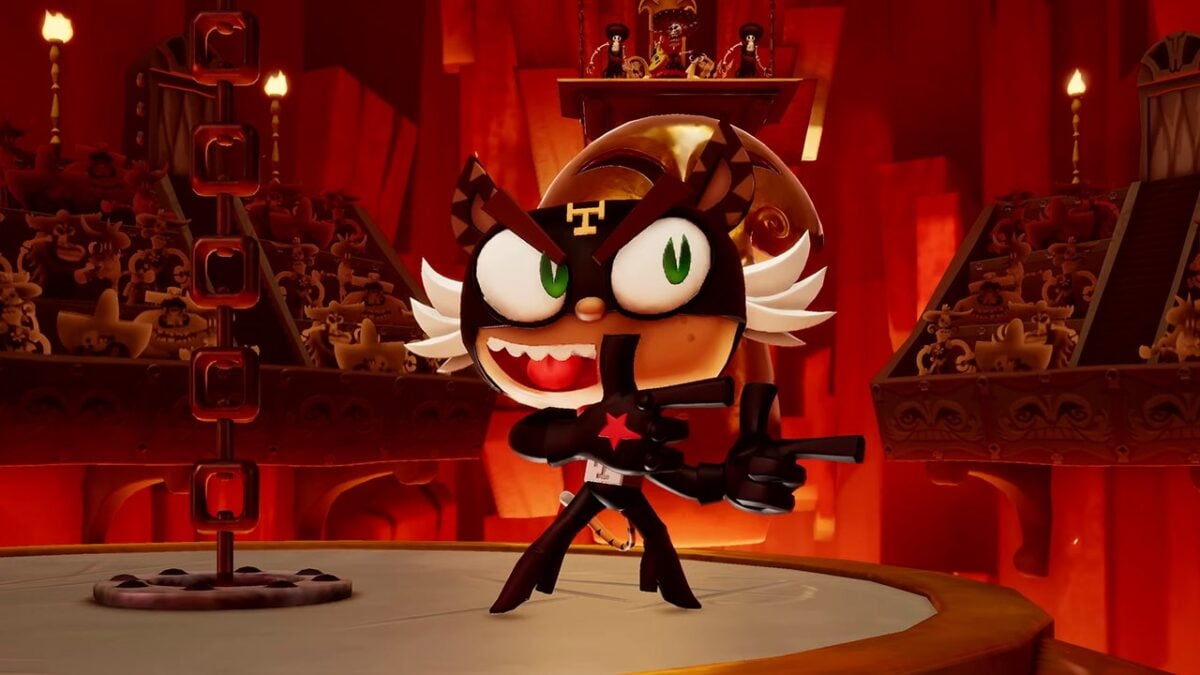
The animation industry is in an uproar. Just days after launching a high-profile project, a prominent creator has publicly pulled the plug on a major AI-driven series, reigniting a fierce debate about the future of human artistry versus machine generation.
What happens when the tools of creation become the subject of protest? The sudden withdrawal of Jorge R. Gutierrez from the Amazon AI program, following the announcement of the Punky Duck AI animated series, has sent shockwaves through Hollywood, signaling a major fracture between tech development and traditional creative craft. Why this matters: this isn't just about one show; it's a tipping point for how we define authorship in the digital age.
- Gutierrez Withdrawal: Jorge R. Gutierrez distanced himself from the AI program, signaling deep creator concerns over the direction of machine-generated content.
- Human Craftsmanship Rally: Industry giants like Guillermo del Toro are doubling down on the irreplaceable value of human-made, physical animation.
- Boycott Calls: Creators are demanding action, citing cases like the alleged misuse of characters in the BuzzFeed Cupcake Friends AI project.
The backlash is immediate and visceral. The controversy centers on whether AI tools are merely powerful new brushes, or if they are fundamentally eroding the livelihood and originality of established artists. The tension is palpable, and the industry is now watching for a definitive shift in power.
Gutierrez Drops Out Amid AI Project Concerns
The news broke in quick succession. Jorge R. Gutierrez had previously announced the launch of Punky Duck, one of several new animated series powered by Amazon's AI initiatives. These projects represented a major push into automated content creation, promising scale and speed previously unimaginable.
However, the momentum stalled almost immediately. Sources confirmed that just two days after the initial announcement, Gutierrez publicly reversed course. He stated that he had decided to drop out of the Amazon AI program. This move was not quiet; it was a clear, public distancing from the project’s methodology and underlying creative philosophy.
This withdrawal wasn't simply a scheduling change; it was a statement. Gutierrez’s decision highlighted the chasm between the potential of large-scale AI content and the personal creative integrity demanded by veteran artists. It puts a spotlight directly on the core ethical questions surrounding the use of generative AI in professional animation.
Guillermo del Toro Champions Human Animation Craft
In direct contrast to the tech-forward, automated approach, established artistic figures are rallying behind the timeless value of human skill. Guillermo del Toro, a celebrated master of physical, detailed craftsmanship, has become a vocal advocate for the traditional methods.
Del Toro recently promoted *I Am Frankelda*, a feature-length Mexican stop motion film. His emphasis was clear and uncompromising: such works are fundamentally "made by humans for humans." He reinforced this stance regarding his other project, *BURIED GIANT*, stating, "This entire community never gives up... Made by humans for humans. Whomever joins this adventure is doing the animation Gods' work."
This sentiment resonates deeply with the core of the creative community. It’s a powerful counter-narrative to the efficiency-first ethos of the AI creators fund. The message is simple: while AI can generate volume, it cannot replicate the soul, intention, or lived experience that fuels truly great art.
What Does This Mean for AI Animation Creators?
The backlash isn't limited to high-profile industry figures. It has spread to individual creators who feel their intellectual property is being exploited. This segment of the controversy is perhaps the most emotionally charged.
Loryn Brantz, a recognizable voice in the digital animation space, expressed intense disgust that her character, associated with *Cupcake & Friends*, was created without her involvement or permission. Brantz directly accused BuzzFeed of taking her intellectual property. Her protest was a call to action, encouraging her fanbase to boycott BuzzFeed and all AI-generated animation.
The confluence of these events—the public exit from Punky Duck AI animated series, the calls for boycotts, and the passionate defense of human craft—is creating a massive, necessary industry dialogue. The focus is shifting from *Can* AI create animation, to *Should* AI create animation, and *Who* benefits from that creation.
How Will Amazon Handle the Controversy?
The implications for major tech players like Amazon, who launched the AI initiatives, are significant. The controversy puts the entire AI Creators Fund under intense scrutiny. The question remains: how do major platforms reconcile the promise of infinite, cheap content with the rising tide of legal and ethical challenges?
The industry is currently grappling with the concept of "derived work" in the age of machine learning. The current climate demands that any company integrating AI into creative pipelines must establish ironclad transparency regarding training data, compensation for original artists, and clear lines of ownership. The debate is moving rapidly from a technical one to a legal and moral one.
The path forward will require a delicate balance. If the industry moves too fast, it risks alienating the very artists who define its history. If it moves too slow, it risks being overtaken by technology that bypasses human effort entirely.
Experts predict that the next 12 months will see a significant regulatory push. We will likely see a bifurcation, where high-art, human-driven animation continues to thrive in prestige projects, while AI content is relegated to background, low-stakes, or experimental uses. The profitability of "human-first" animation is set to increase dramatically as studios realize the inherent value of a human touch.
Frequently Asked Questions
What is the core dispute over AI animation?
The core dispute revolves around intellectual property and authorship. Creators argue that AI models are trained on copyrighted human work without consent or compensation, leading to concerns over exploitation.
Does Guillermo del Toro endorse AI animation?
No, Del Toro has strongly emphasized the irreplaceable nature of human craftsmanship. He consistently promotes physical, stop-motion, and traditional animation, stating that these works must be "made by humans for humans."
What does the withdrawal of Punky Duck mean?
The withdrawal signaled deep concern among senior creators regarding the ethical and artistic direction of the Amazon AI program. It is a powerful public statement about the need for creator control over their work.
Confirmed details first, useful context second. This is the quickest path to the source trail and the next pages worth opening.
Source date: May 31, 2026