What if the most terrifying places weren't castles or abandoned asylums, but the mundane, forgotten architecture of everyday life? The feeling of standing in a fluorescent-lit hallway that stretches forever, or the uncanny familiarity of an empty shopping mall at 3 AM—this is the dread of the liminal space. If you’re fascinated by these unsettling zones, you might wonder where to find the best horror books for liminal spaces.
What this means for players: The terror has moved beyond jump scares and into architectural dread, demanding a deeper appreciation for setting and atmosphere in modern horror.
The concept of the Backrooms, an infinite maze of carpeted yellow hallways, began not in a movie studio, but on a 4chan forum. It started with a simple image and quickly exploded into a viral piece of internet lore. This digital creepypasta was first brought to life by Kane Parsons through a YouTube short film, establishing the yellow, unsettling aesthetic that defined the genre. The Backrooms, in essence, represent the ultimate digital void—a place that should not exist.
The Backrooms Concept Origins and Lore
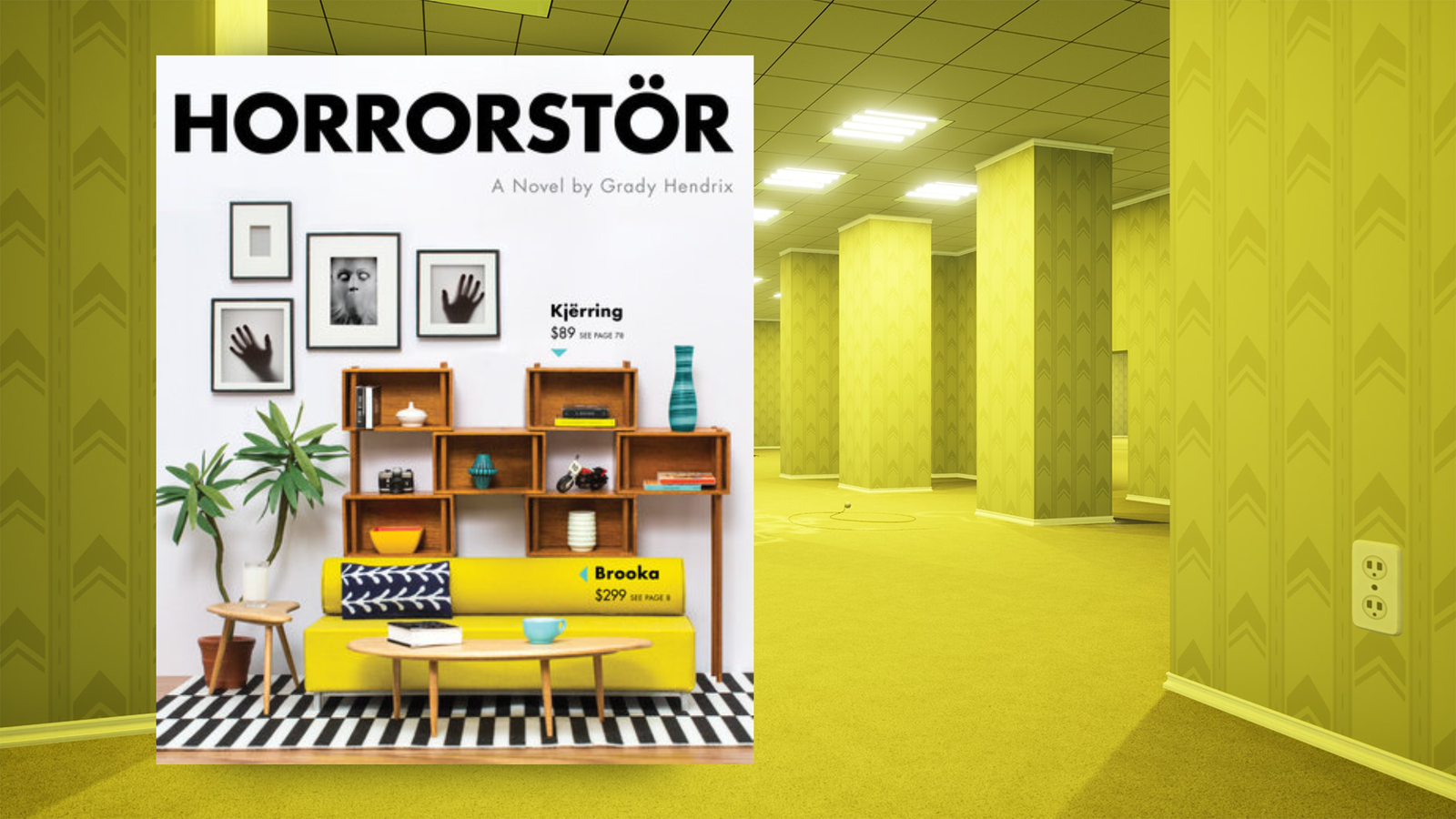
The sheer virality of the Backrooms concept shows how perfectly it taps into universal anxiety. It takes the most normal, unremarkable setting—a carpeted yellow room—and twists it into something profoundly wrong. This is the core magic of liminal horror. When we read or watch about these spaces, we aren't just reading about empty rooms; we are reading about the breakdown of spatial rules and the loss of identity. The creepiness comes from the *familiarity* that is fundamentally broken.
This pattern of using mundane settings for extreme terror is what makes reading books about liminal spaces such a potent experience. Unlike traditional horror that relies on blood and gore, this genre relies on the psychological weight of emptiness and repetition. It forces the reader to confront the idea that the rules of reality are negotiable, and that nothing is safe, even a brightly lit hallway.
Literature Explores Liminal Dread
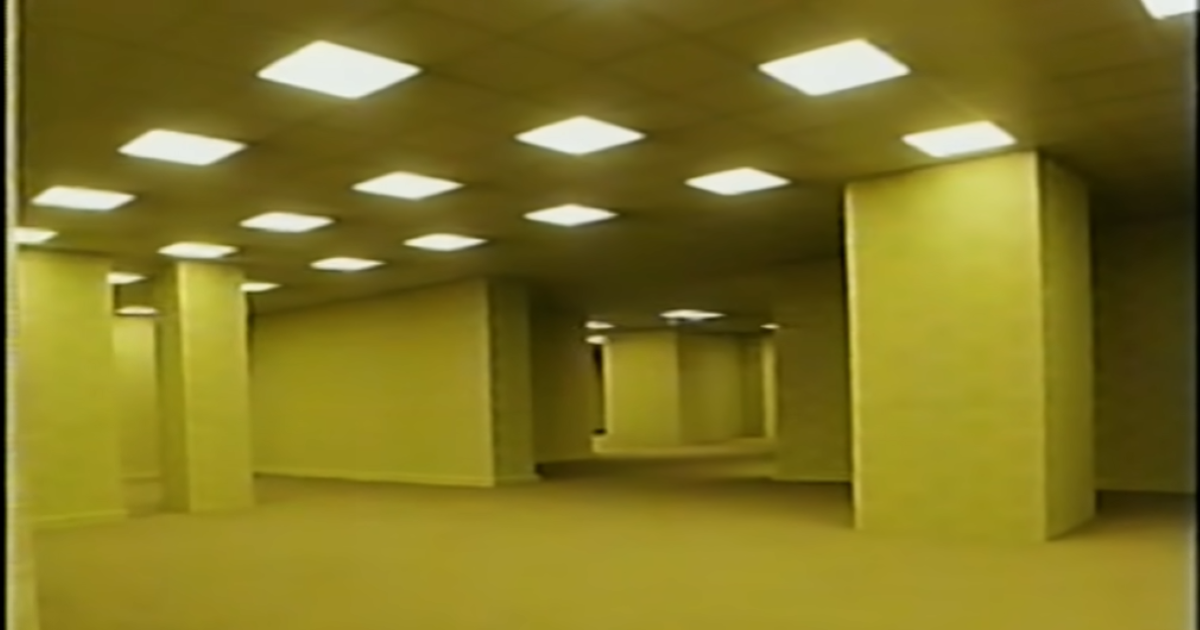
While the Backrooms are modern internet folklore, the literary tradition of unsettling, non-Euclidean architecture is decades old. If you are looking for the best horror books for liminal spaces, you need to look beyond modern internet memes and into classic literary works that mastered spatial disorientation.
Consider the masterpiece *House of Leaves*. This book is often cited as a touchstone for liminal dread. Its structure itself is unsettling, presenting layers of footnotes, missing pages, and narrative uncertainty. The story explained within the text deals with a house that is physically larger on the inside than it is on the outside—a perfect physical manifestation of the uncanny and the unknowable. The book doesn't just describe a strange place; it makes the *act of reading* feel strange, replicating the feeling of being lost within a confusing structure.
Another deep cut for fans of existential dread is *A Short Stay in Hell*. This concept, whether through a full novel or derived from paranormal thriller reviews, taps into the idea of a temporary, inescapable limbo. These narratives explore what happens when you are trapped in a space that defies time and logic, making the claustrophobia as much psychological as it is physical.
Media Adapts Viral Internet Lore
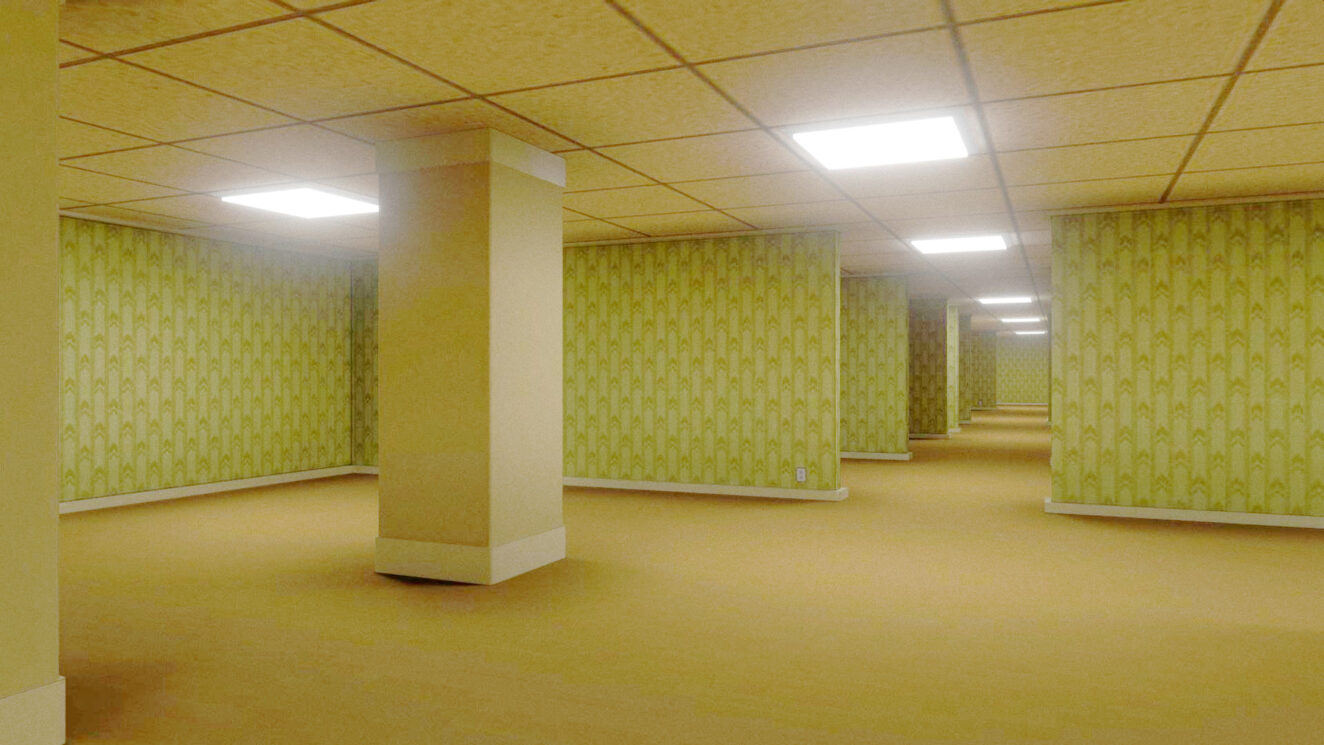
The cultural impact of liminal spaces has propelled the concept from niche internet forums into mainstream media. This crossover is a goldmine for horror fans, generating intense interest in adaptations. When we discuss A24 Backrooms movie details, we are discussing the commercialization of a highly specific, viral dread.
The transition from a 4chan image to a potential cinematic experience highlights how powerful internet lore can be. The appeal of the Backrooms is its flexibility; it can be set anywhere, anytime, as long as the rules are broken. The cinematic adaptation, therefore, must capture not just the look of the yellow rooms, but the underlying sense of endless, administrative dread. It must maintain the feeling that the character is perpetually *between* places, never truly arriving or leaving.
The comparison between the source material (the internet lore) and a potential adaptation is always compelling. The lore is raw, unedited, and pure anxiety; the film must translate that visceral, low-fidelity terror into high-definition cinema without losing its essential creep factor. This is where the art of the horror adaptation truly shines.
Why Liminal Horror Endures
Ultimately, the persistent appeal of liminal spaces—whether through *best horror books for liminal spaces* or viral media like the Backrooms—is rooted in deep psychological discomfort. These spaces are the negative space of our lived experience. They are the hallways we never notice, the elevator rides we take without thinking, or the empty parks after the crowd has dispersed. They are moments of suspended reality.
The genre works because it is universally relatable yet fundamentally impossible. We all understand the concept of an empty building, but we cannot comprehend the infinite, empty building. This gap between the mundane and the impossible is what generates the deepest, most sustained horror.
This genre doesn't just tell a story; it forces the reader or viewer to question their own environment, making the experience intensely personal and highly shareable. The sense of shared, unsettling knowledge is what makes these topics go viral.
Experts predict that the convergence of AI-generated lore and physical architecture will create an entirely new subgenre of liminal horror. We can expect cinematic explorations to focus less on monster encounters and more on the psychological breakdown of the protagonist as they navigate impossible geometry. Furthermore, the market for interactive digital experiences, such as VR explorations of abandoned or non-Euclidean spaces, will increase, providing new ways for audiences to experience the dread of the unknown.
The next wave of literary horror will likely fuse the structured dread of *House of Leaves* with the pure, unadulterated dread of the Backrooms, creating a meta-narrative that questions the very nature of the fictional medium itself.
Ultimately, the best horror remains that which feels both intensely personal and universally terrifying, forever trapping the reader between the known and the unknowable.
Frequently Asked Questions
What is the primary appeal of liminal spaces in fiction?
The appeal lies in the uncanny feeling of familiarity that is subtly broken. These spaces—like empty malls or endless hallways—trigger anxiety because they are designed for human use but are currently devoid of human purpose or life.
Are there specific best horror books for liminal spaces?
While many books touch on the theme, *House of Leaves* is frequently cited for its masterful use of non-Euclidean architecture and narrative disorientation, setting a high bar for the genre.
How does the Backrooms concept work in fiction?
The Backrooms is portrayed as an infinite, liminal dimension of yellow, carpeted hallways. It functions as a place of purgatory or forgotten reality, trapping wanderers in a repeating, unsettling loop.
Confirmed details first, useful context second. This is the quickest path to the source trail and the next pages worth opening.
Source date: May 17, 2026